What are Natural Killer Cells?
Types of Immune Cells
Innate Immunity (Initial Defense System)
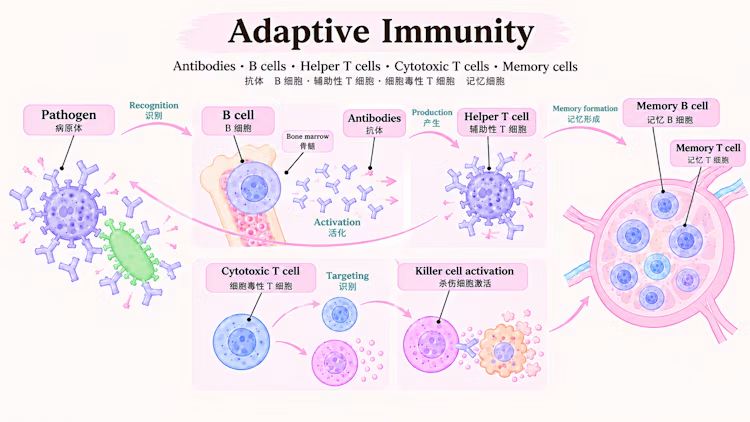
Adaptive Immunity
Characteristics of NK Cells
"Strengths" and "Weaknesses" of NK Cells
Expected Benefits of NK Cell Activation
How to Activate NK Cells
Lifestyle Improvements (Laughter, Sleep, Thermal Care)
Diet and Exercise (Gut Health, Aerobic Exercise)
Introduction of Advanced Medical Treatment: "NK Cell Therapy"
Information on "Highly Activated NK Cell Therapy" at Our Clinic
Key References
What are Natural Killer Cells?
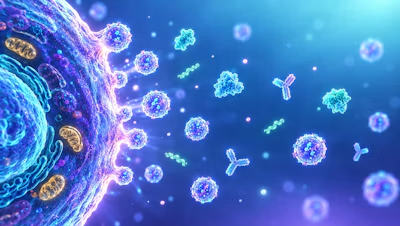
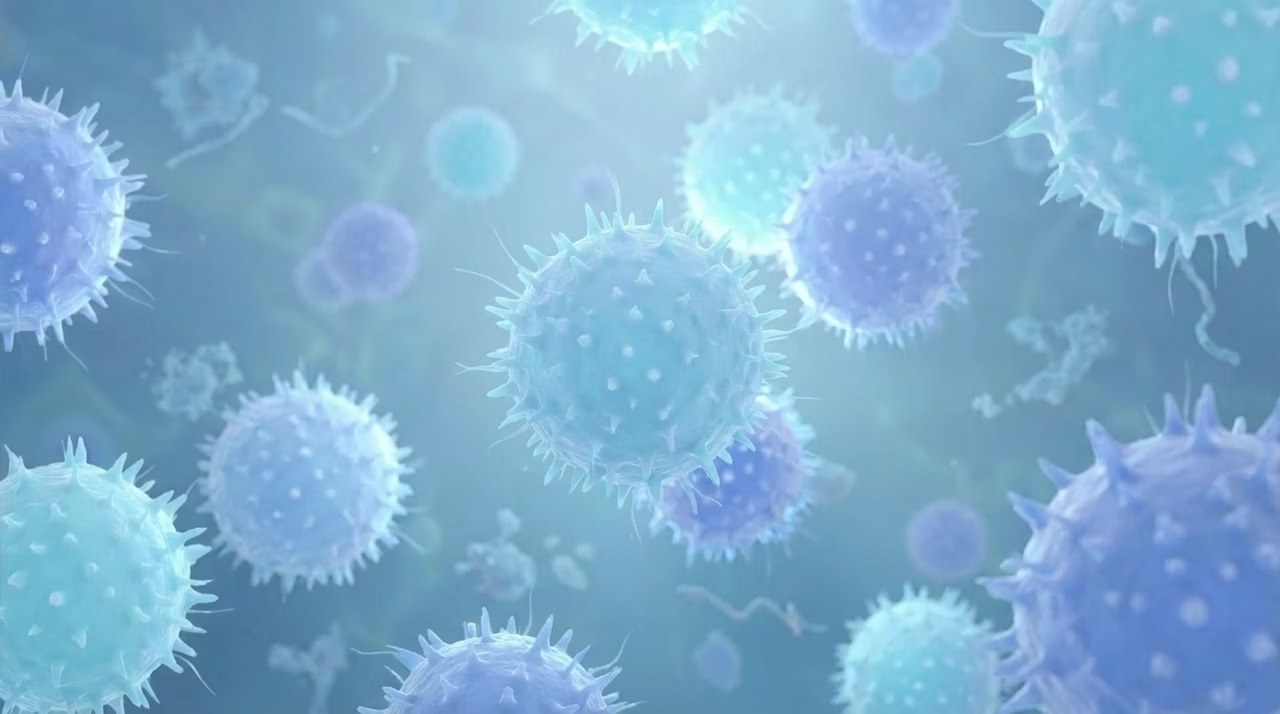
As a core component of the human innate immune system, Natural Killer (NK) cells serve as the body's frontline guardians. Operating as rapid responders, they continuously patrol organs and blood vessels to detect and eliminate abnormal threats—including malignant tumor cells, viral pathogens, and senescent or "zombie" cells—without requiring prior antigen sensitization.[1,2,7,11]
Types of Immune Cells
The human defense network relies on two coordinated arms of immunity:
Innate Immunity also known as a Primary Sentinel Barrier: Responds immediately upon encountering a threat.[1,2]
NK Cells: Swiftly target and destroy transformed, infected, or senescent cells on contact.[1,2,6]
Macrophages & Neutrophils: Engulf pathogens, clear cellular debris, and release alert signals.[2,4]
Dendritic Cells: Capture cellular markers and coordinate downstream immune responses.[4]
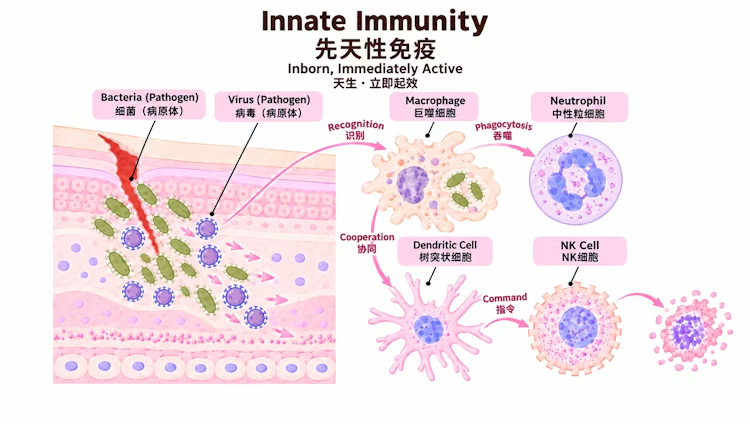
Adaptive Immunity also known as a specialized memory system: Composed of T and B lymphocytes that require time to recognize specific antigens and generate targeted antibodies.[2,4]
Characteristics of NK Cells
The study of human NK cell biology and the role that NK cells play in health and disease have revealed deeper knowledge, including their innate and adaptive properties, mechanisms of function, and role in controlling human disease and cancer. NK cells are unique among innate immune cells since they use tools similar to adaptive immunity. [2,3,7]
NK cells mediate primary functions of cellular cytotoxicity and cytokine production in the absence of rearranged antigen receptors. Instead, a host of NK cell activating and inhibitory receptors recognize conserved molecular patterns, allowing them to quickly execute function and act as a first line of defense against infection and cellular transformation. [2,3,5]
"Strengths" and "Weaknesses" of NK Cells
Feature | Strengths | Challenges |
Attack Speed | High immediacy & rapid action: Destroys abnormal cells instantly without prior antigen training.[1,2] | Lacks conventional T-cell antigen-specific memory (though cytokine-primed CIML phenotypes induce memory-like persistence).[4,7] |
Target Recognition | Unrestricted surveillance: Directly targets disguised cancer cells that downregulate MHC-I markers.[2,3] | Aged senescent cells and tumors can upregulate inhibitory HLA-E, engaging NKG2A to suppress cytotoxicity.[3,5] |
Potency & Safety | Broad adaptability & high safety: Kills targets cleanly via granule exocytosis without damaging healthy tissue.[2,5] | Endogenous cytotoxicity naturally declines with chronological age, fatigue, and systemic inflammation.[7,11] |
Expected Benefits of NK Cell Activation
Maintaining robust NK cell activity delivers key physiological advantages:
Cancer Immune Surveillance & Recurrence Prevention: Early detection and destruction of micro-tumors prevents nascent "cancer seeds" from establishing solid tumor masses.[2,5,9]
Infection Resistance: Rapid elimination of virally infected cells mitigates disease severity and accelerates recovery.[7]
Endogenous Cellular Senolysis or anti-aging ability: Selective clearance of dysfunctional, senescent "zombie" cells removes toxic pro-inflammatory SASP secretions, protecting tissue architecture.[6,11]
Immune Balance & Vitality Restoration: Suppresses chronic low-grade systemic inflammation (inflammaging), supporting healthy longevity.[7,11]
How to Activate NK Cells
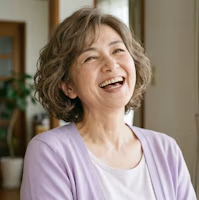
Lifestyle Improvements - Laughter, Sleep and Thermal Care
Daily practices like genuine laughter, securing 7–8 hours of quality sleep, and thermal baths regulate the autonomic nervous system, optimizing conditions for peak NK activity.
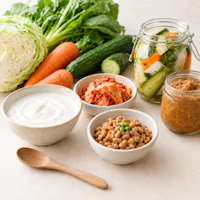
Diet and Exercise - Gut Health and Aerobic Exercise
Because nearly 70% of human immune cells reside within the gut mucosal barrier, consuming fermented foods and dietary fiber supports immune homeostasis. Regular physical exercise mobilizes NK cells into systemic circulation and enhances their functional responsiveness.
Introduction of Advanced Medical Treatment: "NK Cell Therapy"
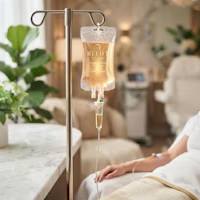
Intrinsic properties of rapid activation have made NK cells attractive tools for immunotherapeutic approaches. This state-of-the-art regenerative medicine protocol extracts a small sample of the patient's own peripheral blood, expands and "supercharges" their NK cells in a specialized laboratory environment, and reinfuses billions of potent, activated guardians back into the bloodstream.[5,9]
Why Patients Choose Advanced NK Cell Therapy:
Autologous Cell Administration
Because the therapy uses only the patient’s own cells, the risk of foreign-tissue rejection is significantly minimized compared to allogeneic cell sources.[5,9]
Precision Healthy State
Activated autologous NK cells selectively target stress signals on transformed cells, clearing them from organs and restoring tissue vitality.
Long-Lasting Protection via Memory-Like Activation
Through specialized cytokine priming, NK cells acquire memory-like characteristics, enabling sustained persistence and activity in the body.
Extensive Clinical Precedent & Safety
Autologous expanded NK cell protocols are backed by robust safety registries and recent clinical trials in oncology and aging-related indications.
Information on "Highly Activated NK Cell Therapy" at Our Clinic
At Tokyo Relife Clinic, in accordance with the "Act on the Safety of Regenerative Medicine" of Japan, we have submitted a Regenerative Medicine Provision Plan (certificate No.: PC3250050) using NK cells for cancer treatment and prevention. We deliver Highly Activated NK Cell Therapy under a safe and fully compliant system.
This therapy involves harvesting NK cells from your blood, culturing and highly activating them ex vivo, and returning them via intravenous infusion. Eligibility for this treatment is carefully determined by a physician after considering the patient's health status, medical history, and treatment goals.
Note: Individual results and progress may vary, and effectiveness is individually dependent . Comprehensive medical consultations and explanations are provided prior to treatment.
For details on the treatment process, costs, risks, and side effects, please visit the page below:
Key References
1.Cooper, M. A., et al. (2001). The biology of human natural killer-cell subsets. Trends in Immunology, 22(11), 633–640.
2. Caligiuri, M. A. (2008). Human natural killer cells. Blood, 112(3), 461–469.
3. Sivori, S., et al. (2019). Human NK cells: Surface receptors, inhibitory checkpoints, and translational applications. Cellular & Molecular Immunology, 16(5), 430–441.
4. Bal, S. M., et al. (2020). Plasticity of innate lymphoid cell subsets. Nature Reviews Immunology, 20(9), 552–565.
5. Laskowski, T. J., et al. (2022). Natural killer cells in antitumour adoptive cell immunotherapy. Nature Reviews Cancer, 22(10), 557–575.
6. Chelyapov, N., et al. (2022). Autologous NK cells propagated and activated ex vivo decrease senescence markers in human PBMCs. Biochemistry and Biophysics Reports, 32, 101380.
7. Björkström, N. K., et al. (2022). Natural killer cells in antiviral immunity. Nature Reviews Immunology, 22(2), 112–123.
8. Fiuza-Luces, C., et al. (2024). The effect of physical exercise on anticancer immunity. Nature Reviews Immunology, 24(4), 282–293.
9. Vivier, E., et al. (2024). Natural killer cell therapies. Nature, 626, 727–736.
10. Du, X., et al. (2026). A new era of natural killer cell immunotherapy in tumor treatment: Latest advances and cutting-edge perspectives. Frontiers in Immunology, 17, 1795143.
11. Yang, J. Y., et al. (2026). Natural killer cells: Gatekeepers of healthy aging in longevity medicine. Inflammation and Regeneration, 46, Article 14.
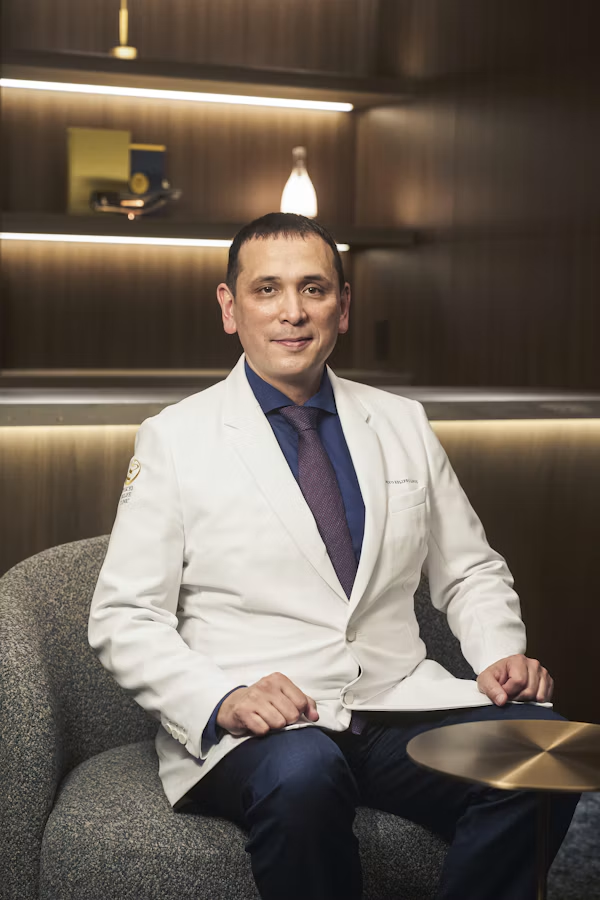
Supervised by Dr. Marlen Doskali, M.D., Ph.D.
In Kazakhstan, he worked as a liver surgeon, including transplant surgery. He has over 15 years of experience in cell immunotherapy and the development of new treatments. He now serves as Director of the Cell Innovation Research & Regenerative Therapy Center at Tokyo Relife Clinic, where he oversees both the Cell Processing Center Division and the Cell Innovation Research Division, and leads the team in regenerative medicine.