What Is Stem Cell Therapy for Neuropathic Pain (Nerve Pain)?
As we age, persistent pain and numbness become more common. In addition to conventional treatments, some people explore regenerative medicine, including stem cell therapy, as a potential treatment option after consulting with a physician.
Neuropathic pain (often simply called nerve pain) occurs when the nerves responsible for transmitting sensory signals are damaged or altered by disease. This is a major cause of "chronic pain"—a broader term for any pain lasting longer than three months.※1, 2
Stem cell therapy is being actively researched for its potential to address the underlying conditions driving this chronic nerve pain.
*Stem cell therapy for neuropathic pain remains investigational. Although early clinical studies have shown promising results, it has not been established as a standard treatment for chronic nerve pain. ※3
Who May Consider This Treatment?
Individuals who continue to experience pain or numbness and wish to learn more about available treatment options, including regenerative medicine, may consider a medical consultation.
You may consider a consultation if you experience:
- Persistent burning, tingling, or electric shock-like nerve pain
- Pain triggered by light touch, clothing, or even a gentle breeze
- Ongoing pain after shingles (postherpetic neuralgia / PHN), diabetes (diabetic neuropathy), injury, or surgery
- Lower back nerve pain, sciatica, neck pain, or other chronic nerve pain that affects your daily activities
- Pain or numbness that limits work, exercise, hobbies, or social activities
- A desire to better understand your symptoms and explore whether stem cell therapy is right for you
Neuropathic pain cannot be diagnosed by symptoms alone. A thorough medical evaluation is necessary to determine the underlying cause and recommend appropriate treatment. If you experience sudden severe pain, muscle weakness, Neuropathic pain, or fever, you should seek prompt medical attention.
Treatments Available at Tokyo Relife Clinic
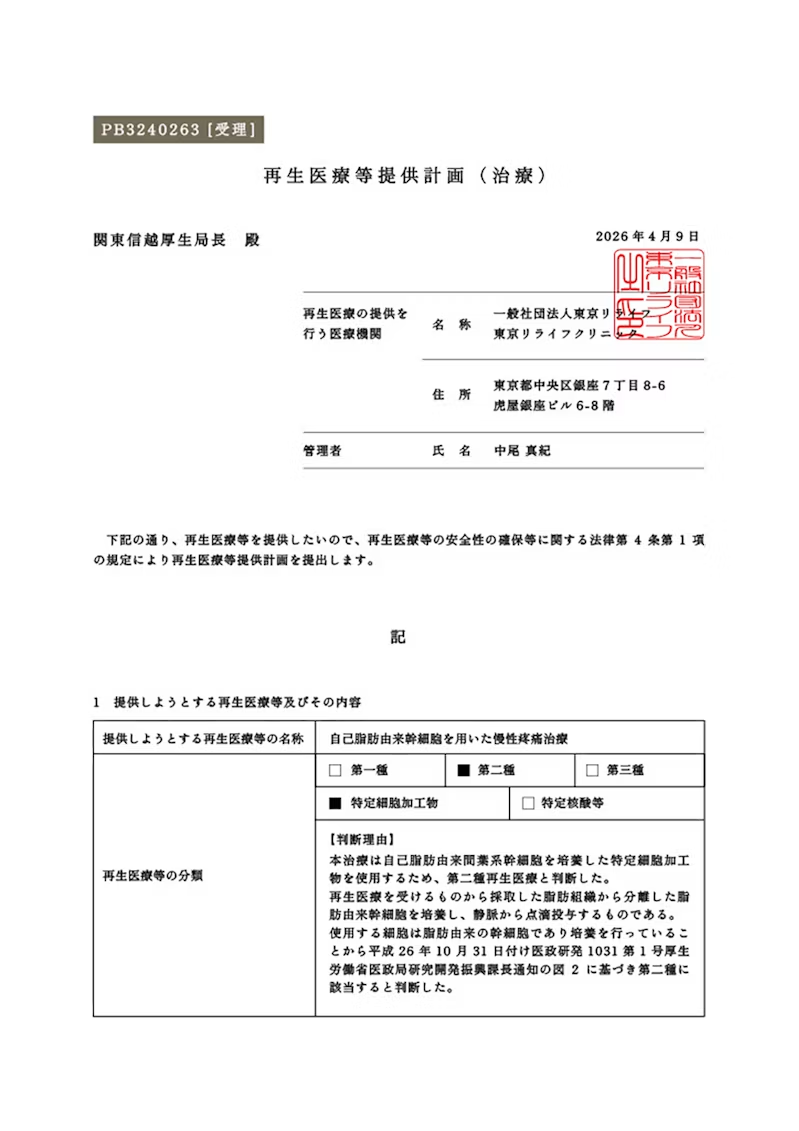
Tokyo Relife Clinic provides stem cell therapy under a treatment plan that has been reviewed and officially accepted by Japan's Ministry of Health, Labour and Welfare, in accordance with the Act on the Safety of Regenerative Medicine. The plan covers all aspects of treatment content, cell handling, and management protocols.
Acceptance No. PB3240263: Chronic Pain Treatment Using Autologous Adipose-Derived Stem Cells
Understanding the Causes of Neuropathic Pain
Neuropathic pain (nerve pain) can have many causes, including nerve compression, diabetes, shingles, injury, or surgery. Identifying the underlying cause is the first step, and standard diagnosis and treatment may need to take priority. Importantly, nerve pain does not always occur only at the time of nerve injury.
Importantly, inflammation decreases as damaged tissue heals, and the pain gradually improves. However, if the nerves remain irritated or become overly sensitive, the pain may persist and develop into chronic pain.
Acute Stage: Initial Pain Following Nerve Damage
Nerve irritation caused by an injury, surgery, shingles, or nerve compression can lead to pain, tingling, or numbness. Conversely, nerve damage may also develop gradually due to conditions such as diabetes, resulting in similar symptoms. For example, nerve compression may contribute to lower back nerve pain or sciatica, while shingles can lead to persistent nerve pain known as postherpetic neuralgia (PHN).
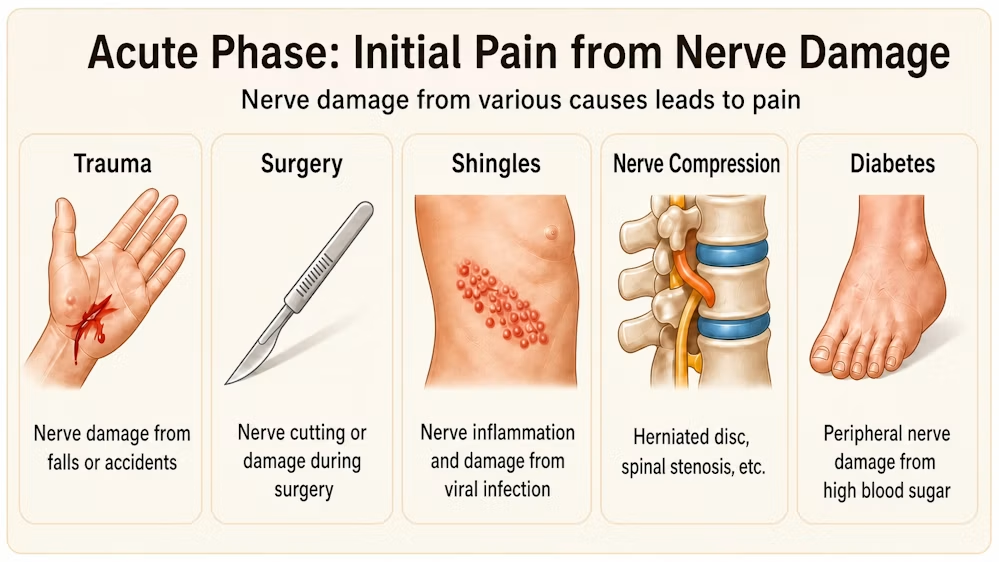
However, similar symptoms can have very different causes. If a nerve is severely compressed, or if diabetes is not adequately controlled, treatment of the underlying condition is essential.
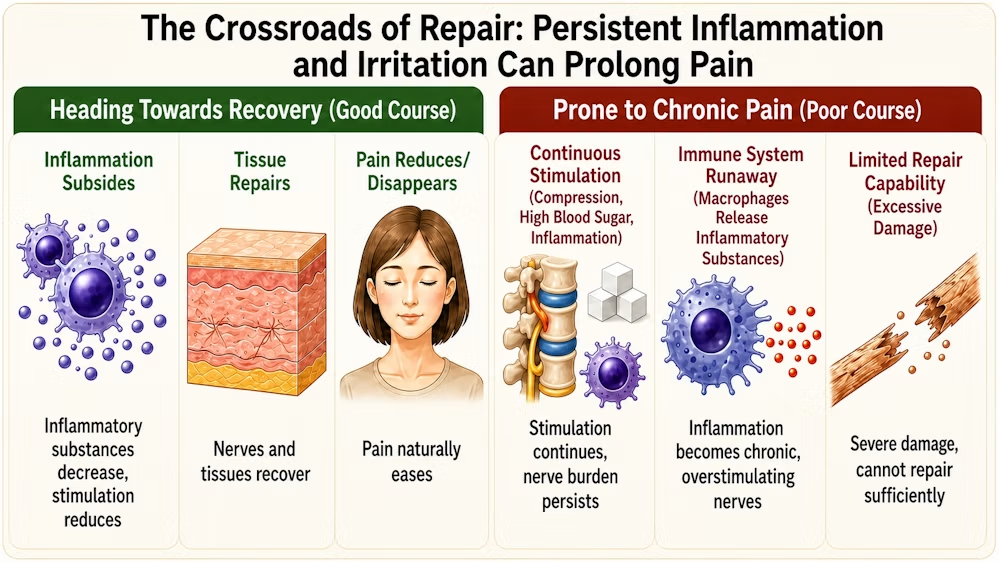
The Crossroads of Nerve Repair: Persistent Inflammation and Irritation Can Prolong Pain
After nerve injury, inflammation normally subsides as the tissue heals, and the pain gradually improves.
However, when nerve irritation or inflammation continues for a long time, the normal repair process may be disrupted. The nerves may also become overly sensitive, contributing to persistent or chronic nerve pain.
Several factors may contribute to this process:
- Persistent irritation: Ongoing nerve compression, high blood sugar, or inflammation continues to irritate the nerves.
- Prolonged inflammatory response: Immune cells meant for tissue repair (such as macrophages) may mistakenly continue to release inflammatory substances.
- Limits of natural repair: When nerve damage is extensive or ongoing, the body's repair mechanisms may not be able to fully keep up.
When these factors overlap, pain-sensing nerves may become more sensitive to stimulation, causing pain, tingling, or numbness to persist.
Note: The specific mechanisms behind chronic nerve pain vary depending on the underlying disease and the current state of your nerves and immune cells. If your pain persists, it is vital to first determine whether an active cause of nerve irritation remains, and to consider treating that root cause whenever appropriate.
Peripheral Sensitization: Nerves Become More Sensitive
Peripheral sensitization occurs when damaged nerves and the surrounding tissues become overly sensitive, causing normally harmless stimuli to be felt as pain.
For example, light touch from clothing, gentle pressure, or changes in temperature may become uncomfortable or painful.
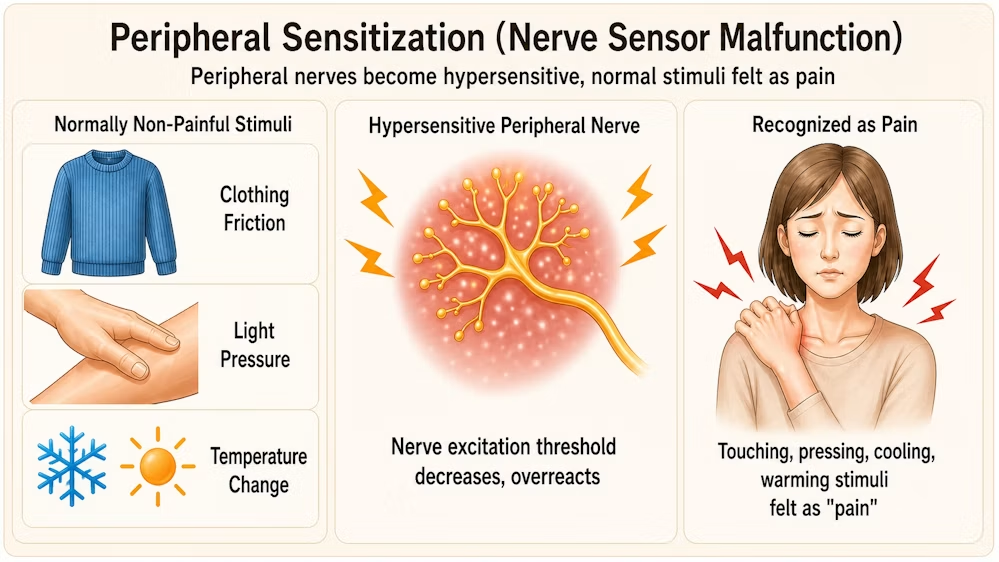
Peripheral sensitization is a concept used to explain increased nerve sensitivity. Diagnosis requires an overall assessment of symptoms, physical findings, and appropriate tests when necessary.※1
Central Sensitization: The Nervous System Amplifies Pain
When pain continues for a long time, the pain-processing pathways in the brain and spinal cord may also become more sensitive. As a result, pain may feel stronger or seem to spread beyond the original area. This is known as central sensitization.
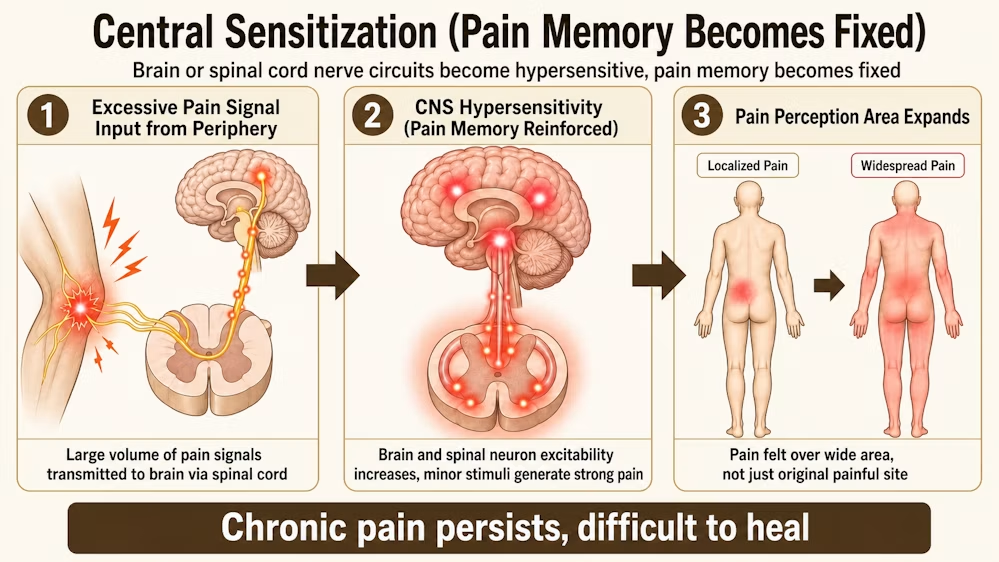
Importantly, central sensitization does not mean the pain is imagined or "all in your head." Rather, it describes very real physical changes in how your nervous system processes pain signals, directly contributing to persistent or chronic pain.※1
How Regenerative Medicine May Work for Neuropathic Pain
When nerve pain is caused by a condition requiring direct treatment, such as severe nerve compression, stem cell therapy cannot address the underlying cause on its own. In some cases, surgery or other conventional treatments may be necessary.
However, for pain driven by persistent inflammation and nerve hypersensitivity, researchers are actively studying how stem cells might offer a new therapeutic approach.
1. Immune Modulation
Stem cells may help regulate the balance between signals that promote inflammation and those involved in tissue repair. In cases where chronic inflammation contributes to increased nerve sensitivity, researchers are studying how stem cell therapy may help modulate immune responses. ※3
*The immune system is complex. Stem cell therapy cannot reduce all types of inflammation or provide pain relief in every case.
2.Anti-Inflammatory Effects
Persistent inflammation can make nerves more sensitive to stimulation and may contribute to chronic pain.
Substances released by stem cells may influence inflammatory responses. For this reason, stem cell therapy is being studied as a potential approach to reducing the inflammatory environment associated with persistent nerve pain. ※3
However, potential anti-inflammatory effects do not guarantee improvement in nerve pain. Response to treatment may vary depending on the cause and duration of pain and the condition of the affected nerves.
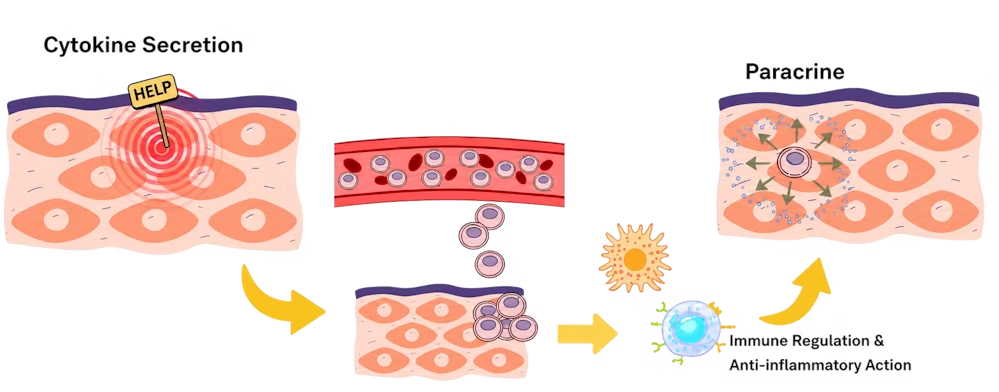
3.Paracrine Effects
Stem cells release various signaling substances, including growth factors and extracellular vesicles (EVs). This is known as the paracrine effect. Through these signals, stem cells may help create an environment that supports nerve and tissue repair. Researchers are studying whether these paracrine effects may contribute to relief of chronic nerve pain and support the body's natural repair processes. ※3
Clinical Research on Stem Cell Therapy for Neuropathic Pain
The following are clinical studies of stem cell therapy for neuropathic and chronic pain, including studies conducted in humans and reviews of clinical research.
Study | Participants | Key Findings and Limitations |
|---|---|---|
Study investigating whether local injection of autologous adipose-derived stem cells could reduce neuropathic pain ※4 | 10 (9 evaluated) | Pain intensity was significantly reduced at 6 months. |
Study of intrathecal administration of autologous adipose-derived stem cells for neuropathic pain after chronic spinal cord injury ※5 | 10 | Pain scores significantly decreased over time (after 3 administrations). |
Study of adipose-derived stem cell injections for chronic pain ※6 | 28 | Significant improvement observed on the pain disability assessment scale. |
Study of umbilical cord-derived stem cells in patients with rheumatic disease ※7 | 17 | Improvements reported in disease indicators, chronic pain, and joint stiffness. |
※All of the studies above were small-scale clinical studies. These findings do not guarantee treatment effectiveness.
※However, the conditions treated, types of cells used, administration methods, and outcome measures varied among the studies.
Side Effects, Complications, and Important Considerations of Stem Cell Therapy
Treatment outcomes vary by individual. This is an unapproved, self-pay medical procedure using autologous cells prepared in our in-house Cell Processing Center.
Potential risks include:
- Fat collection: Bleeding, swelling, allergic reactions
- Infusion: Allergic reactions, pulmonary embolism, nausea
Treatment Process
Stem cell therapy can be administered either by intravenous infusion or by local injection, but the overall process—fat collection, cell culture, and preparation—is largely the same for both.
PRICE
IV DripStandard Stem Cell Therapy 1session
IV DripStem Cell Therapy (Premium Ver.)
IV DripRelife Stem Cell Therapy
Annual Storage Fee
References
※1 Finnerup NB, et al. Physiol Rev. 2021.
※2 Treede RD, et al. Pain. 2019.
※3 Zhang WJ, et al. Front Cell Dev Biol. 2025.
※4 Vickers ER, et al. J Pain Res. 2014.
※5 Vaquero J, et al. Neurosci Lett. 2018.
※6 Mabuchi K, Takahashi Y, Iketani M, et al. Stem Cells Dev. 2025.
※7 Wang L, Wang L, Cong X, et al. Stem Cell Res Ther. 2013;4(4):86.
※8 Ministry of Health, Labour and Welfare, e-Regenerative Medicine. Information document on chronic pain treatment using autologous adipose-derived stem cells.
※9 Ministry of Health, Labour and Welfare. Regarding the submission of regenerative medicine provision plans (Overview).
※10 Ministry of Health, Labour and Welfare. Points to note when applying for marketing approval of regenerative medical products. 2014.