Cell Quality Defines
the Future of Regenerative Medicine

Stem Cell Therapy
Tokyo Relife Clinic
Stem cell therapy is an advanced regenerative treatment designed to stimulate your body’s natural repair mechanisms and restore functional balance.
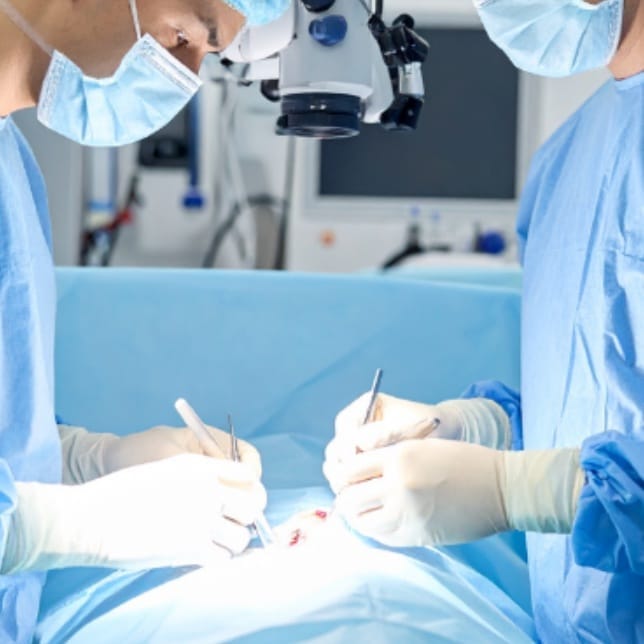
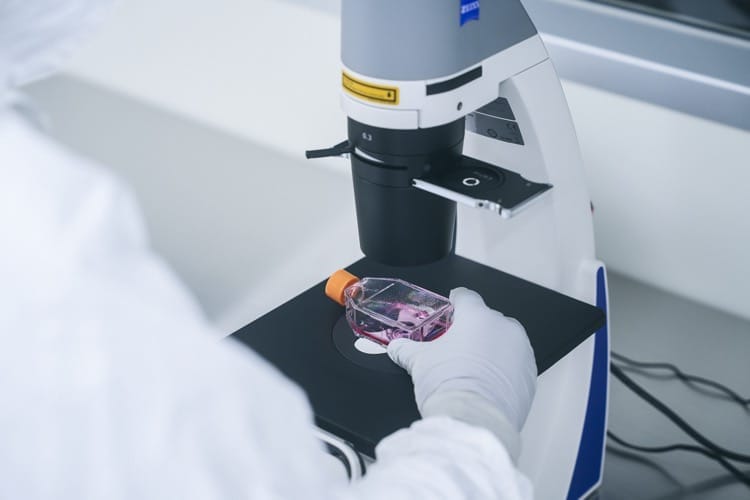
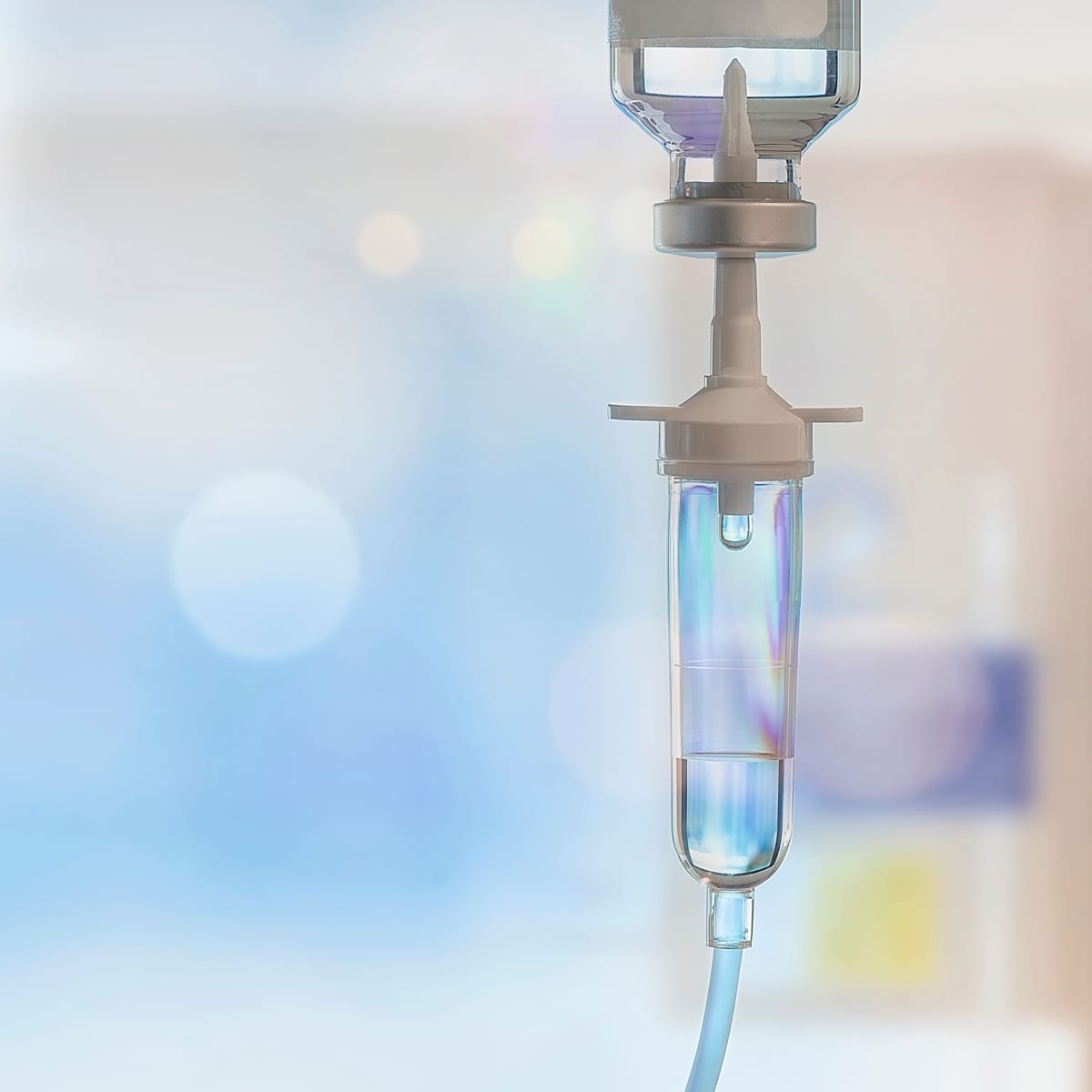
Using a small sample of your own fat tissue, we carefully culture your stem cells for 4–6 weeks before administering them via IV infusion or local injection.
At Tokyo Relife Clinic, we offer highly personalized treatment plans, based on nine treatment plans accepted by the Ministry of Health, Labour and Welfare, tailored to address both localized and systemic conditions.
PROVISION PLAN
Treatment Plans
9 Regenerative Medicine Programs – Covering Multiple Body Systems
In strict compliance with Japan’s Act on the Safety of Regenerative Medicine, Tokyo Relife Clinic provides stem cell therapy under detailed treatment plans officially accepted by the Ministry of Health, Labour and Welfare (MHLW). Our stem cell therapy spans 9 categories, forming a treatment framework that extends from localized symptoms to systemic conditions and diseases across the entire body.







- PB3240269:Regenerative medicine using autologous adipose-derived stem cells for frailty
- PB3240265:Regenerative medicine using autologous adipose-derived stem cells for cerebrovascular disorders
- PB3240266:Regenerative medicine using autologous adipose-derived stem cells for glucose metabolism abnormalities
- PB3240267:Regenerative medicine using autologous adipose-derived stem cells for menopausal and andropause symptoms
- PB3240268:Regenerative medicine using autologous adipose-derived stem cells for liver dysfunction
- PB3240263:Regenerative medicine using autologous adipose-derived stem cells for chronic pain
- PB3240294:Regenerative medicine using autologous adipose-derived stem cells for hair tissue
- PB3250002:Regenerative medicine using autologous adipose-derived stem cells for erectile dysfunction
- PB3250003:Regenerative medicine using autologous adipose-derived stem cells for osteoarthritis
OUR STRENGTHS
Why Choose Tokyo Relife Clinic
Strict Quality Control
of Your Own Cells
Quality
Our in-house Cell Processing Center (CPC) handles the entire cell preparation process. Strict safety protocols ensure your cells pass multiple health and quality checks prior to administration.
Individualized
Treatment Plans
Custom-made plan
Board-certified regenerative medicine physicians design a tailored treatment plan for you, based on a detailed consultation and comprehensive diagnostic testing.

Data-Driven
Feedback
Data feedback
Multiple objective tests evaluate your overall condition and provide data-based feedback on treatment outcomes — making changes in your health as visible and measurable as possible.

CASE STUDY
Patient Cases
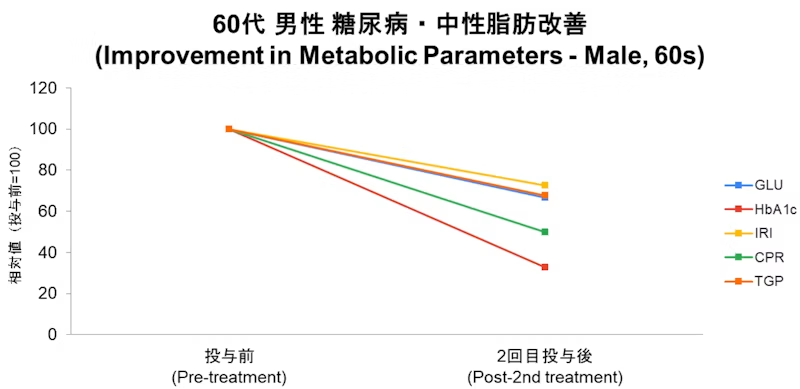
Male, 60s
[ Objective ] Diabetes & Metabolic Markers
With an HbA1c level above 6, the patient met the criteria for diabetes. However, after two stem cell treatments, the HbA1c level returned to almost normal. Fasting blood glucose also dropped to nearly normal, and both insulin secretion and blood insulin levels decreased significantly, suggesting an improvement in insulin resistance. At the same time, triglycerides also improved markedly.
Total of 2 infusions.
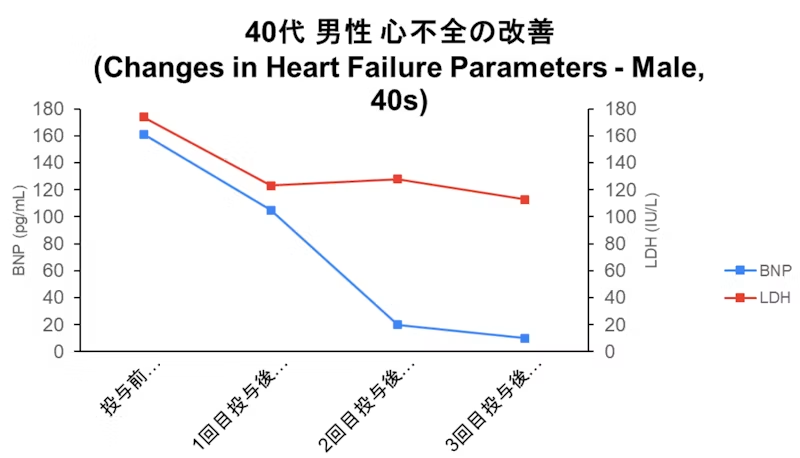
Male, 40s
[ Objective ] Heart Failure Improvement
An increase in BNP is known to reflect cardiac stress and changes in heart function. In this case, BNP was well above the normal range before treatment, suggesting a possible burden on the heart. LDH is a marker that rises when there is cellular damage or metabolic stress, and it was slightly elevated before treatment. After two stem cell treatments, both markers showed improvement. During treatment and follow-up, BNP gradually decreased and eventually returned to the normal range.
Total of 3 infusions.
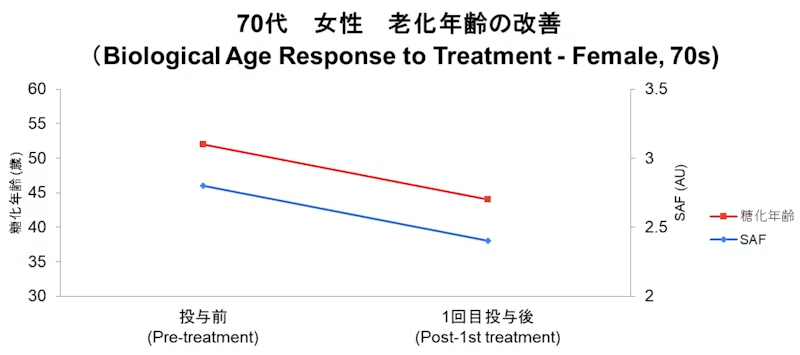
Female, 70s
[ Objective ] Anti-Aging (Blood Test Reference Range)
SAF reflects the level of skin glycation (AGEs). After one stem cell treatment, both long-term metabolic stress and glycation levels improved, indicating a reduced risk of future vascular complications. When converted to “glycation age,” this corresponds to an 8-year reduction.
Total of 1 infusion.
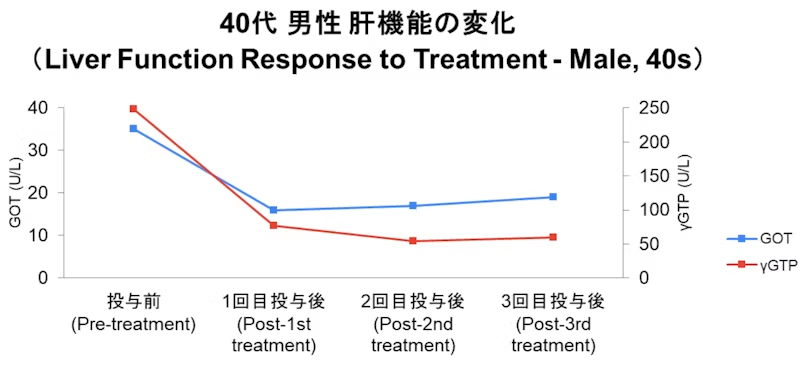
Male, 40s
[ Objective ] Liver Function
GGT was well above the normal range before treatment, suggesting that the liver was under significant stress. After treatment, it improved to within the normal range and has remained stable since then. GOT was within the normal range, but it also shifted toward a more physiologically stable level. The improvement seen across multiple liver function markers suggests a possible reduction in overall metabolic burden.
Total of 3 infusions.
Male, 60s
[ Objective ] Prediabetes
This patient had elevated fasting blood glucose and significant insulin resistance. Uric acid levels were also high, and both findings increase the risk of fatty liver, obesity, and vascular problems. After stem cell treatment, blood glucose, insulin, and uric acid all improved markedly. This indicates that the body’s overall metabolic balance shifted in a healthier direction.
Total of 1 infusion.
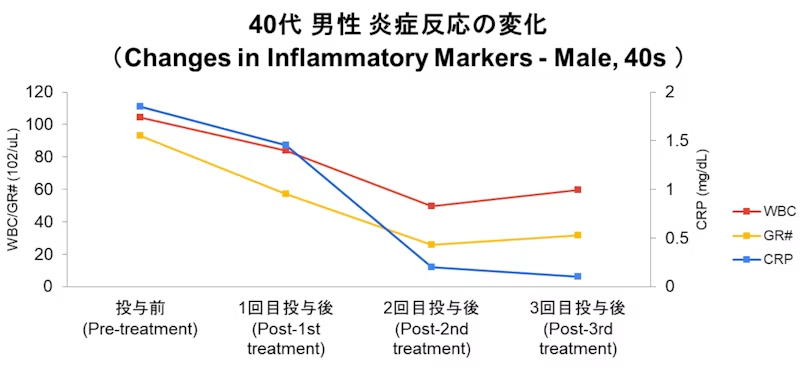
Male, 40s
[ Objective ] Inflammation Reduction
All of these values, including CRP, are markers of inflammation in the body. In February, the results indicated a clear state of acute inflammation or infection. It has been reported that when this type of inflammation continues for a long time, it increases the risk of arteriosclerosis and cardiovascular disease.
Total of 3 infusions.
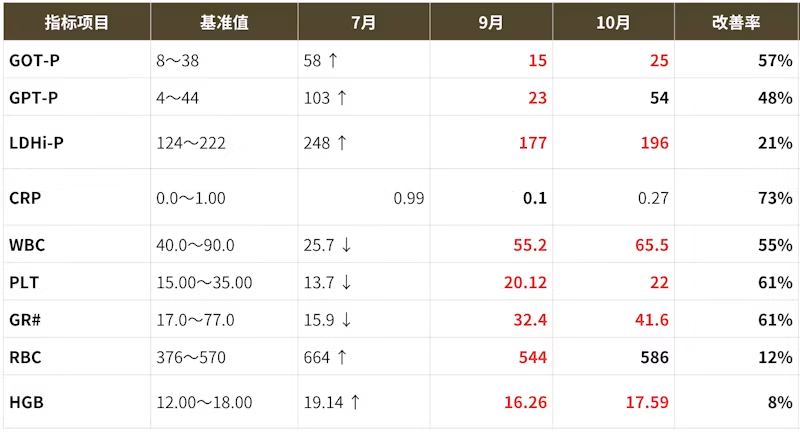
Male, 30s
[ Objective ] Inflammation, Liver, Metabolism & Blood
In this case, several biological markers—including liver function, chronic inflammation, and red blood cell parameters—showed improvement, suggesting a reduction in overall metabolic burden. White blood cells and neutrophils also returned to normal levels and stabilized. Continued monitoring will be necessary moving forward.
[ Case Study Disclaimer & Precautions ]
・Disclaimer: The cases shown reflect specific patient outcomes at our clinic. Individual results vary and are not guaranteed.
Final outcomes depend on baseline health, age, and lifestyle factors.
・Side Effects & Risks: Potential risks include injection site pain or bruising, allergic reactions, and a minor risk of infection. Extremely rare complications may include pulmonary embolism, phlebitis, or unintended cell proliferation.
・Legal Notice: This is a self-pay treatment (not covered by public insurance) provided strictly under Japan’s Act on the Safety of Regenerative Medicine.
All stem cells are processed in our in-house CPC.
SAFETY & QUALITY
CPC Safety & Management
Our in-house CPC manages the entire process—from cell culture to treatment—under a strict, unified safety and quality framework.
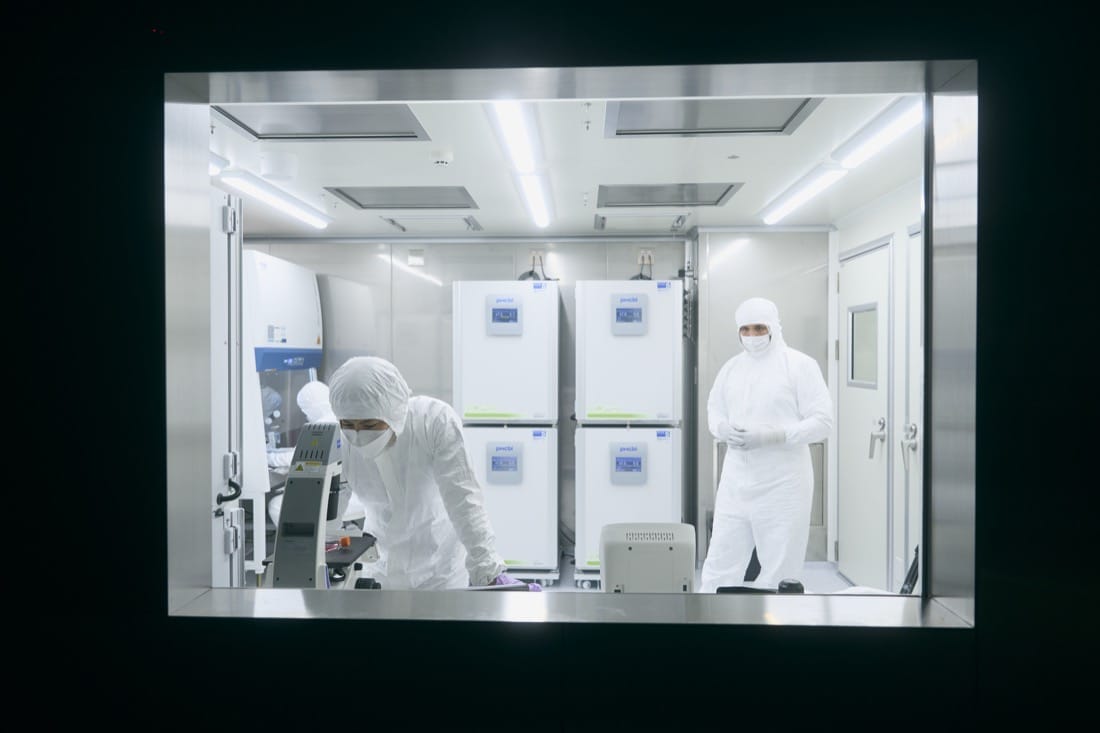
Complying strictly with Japanese law, our in-house CPC completely manages your cell culture. This seamless integration guarantees absolute safety and traceability for your treatment.

Your cells are cultured by specialists with medical licenses and PhDs. Together with regenerative medicine doctors, they provide treatment under strict safety and quality standards.
WHAT IS STEM CELL?
What Are Stem Cells?
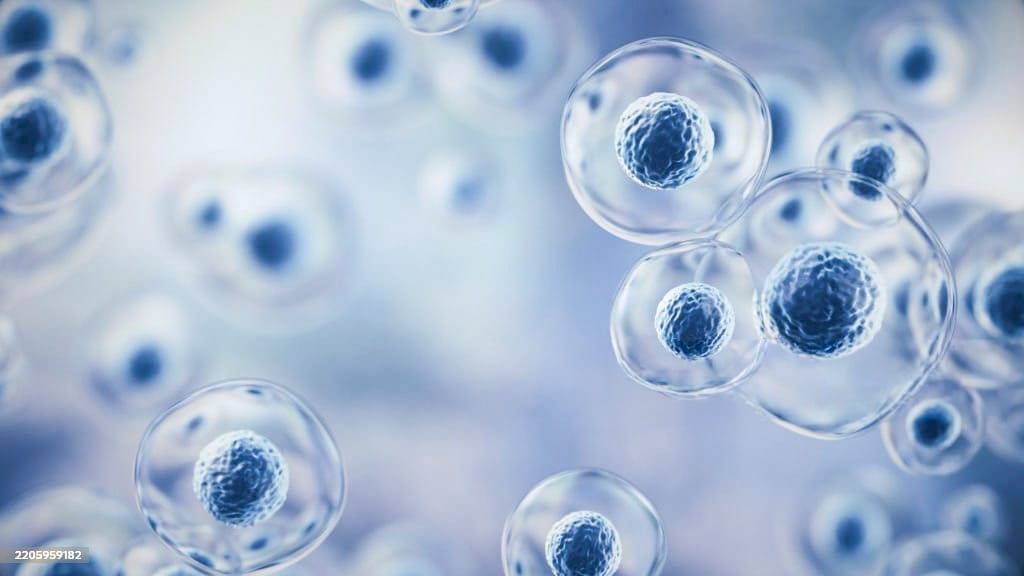
Stem cells are natural body cells that can self-renew and differentiate into various cell types.
Through a process called homing, they migrate to where they are needed,
supporting childhood growth and helping adults repair tissue and control inflammation.
Exploring Stem Cell-Derived Therapies
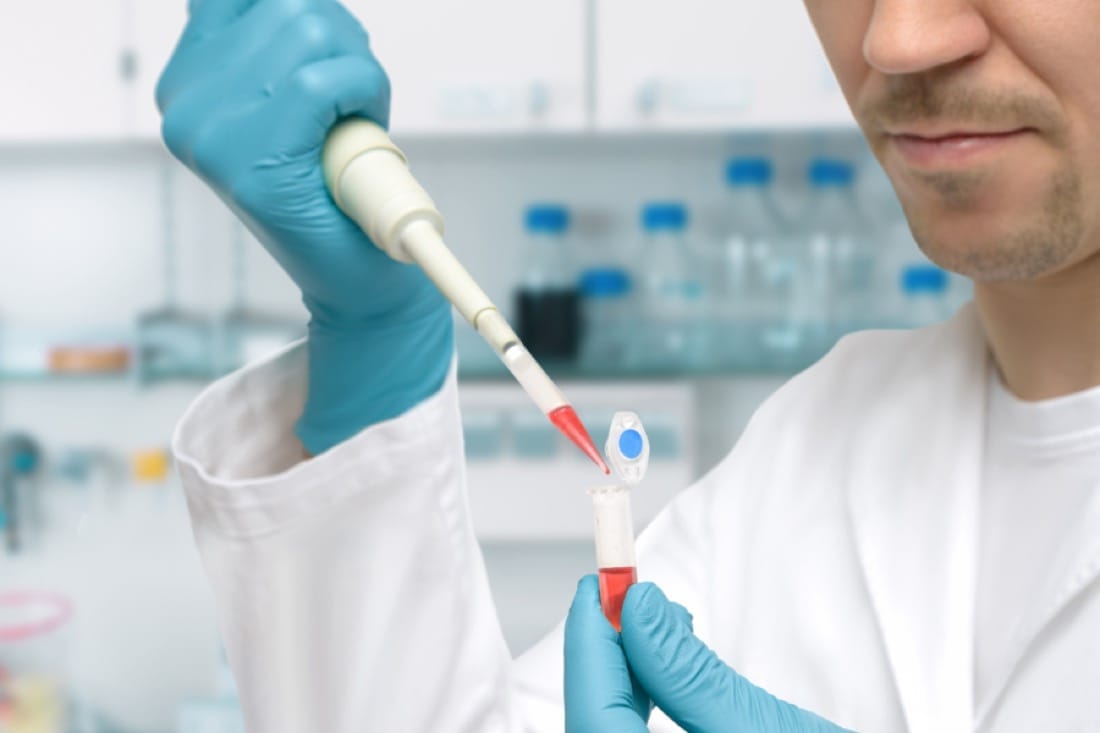
The culture supernatant contains growth factors and extracellular vesicles (EVs) released by stem cells. It can be administered via intravenous infusion or local injection, eliminating the need for cell harvesting.

Exosomes are extracellular vesicles (EVs) extracted from the culture supernatant. They can be used alone or combined with stem cell therapy to suit each treatment plan.
PROCEDURE GUIDE
Treatment Process
PRICE
Pricing
STANDARD
Standard Stem Cell Therapy
2,750,000 JPY
STANDARD
Standard Stem Cell Therapy
4,950,000 JPY
PREMIUM
Stem Cell Therapy (Premium Ver.)
3,850,000 JPY
PREMIUM
Stem Cell Therapy (Premium Ver.)
6,600,000 JPY
RELIFE
Relife Stem Cell Therapy
4,950,000 JPY
RELIFE
Relife Stem Cell Therapy
8,250,000 JPY
PRECAUTIONS
Important Notes
[ Risks & Safety Precautions of Stem Cell Therapy ]
Treatment outcomes vary by individual. This is an unapproved, self-pay medical procedure using autologous cells prepared in our in-house Cell Processing Center. Complications and side effects may occur in connection with fat tissue collection and cell administration. Potential risks include bleeding, swelling and allergic reactions during fat collection, and allergic reactions, pulmonary embolism and nausea during infusion.
Risks & Safety Precautions of Stem CellFAQ
Frequently Asked Questions
- QCan I use a credit card or medical loan?
- AWe accept all major credit cards. (VISA, MASTER, JCB, AMEX, DINERS, DISCOVER, UnionPay)
- QWhat is the frequency and cost of stem cell therapy?
- A
The frequency of treatment depends on the patient's condition and treatment objectives. The cost will be detailed at the time of the initial consultation.
- QWhere are stem cells cultured?
- AWe culture in our laboratory, which is attached to our clinic. The culture is performed safely in a thoroughly quality-controlled environment.
- QWhat are stem cells?
- A
Stem cells are specialized cells that support the body's growth and tissue formation. Through continuous cell division and differentiation, they develop into various cell types that constitute different tissues throughout the body.(Source: Weissman IL, et al. Cell. 2000;100(1). )
- QAre there any side effects associated with stem cell therapy?
- A
Although this treatment uses autologous cells (your own cells), as with any medical procedure, temporary symptoms such as localized swelling or redness may occur at the injection site. Your physician will provide detailed information about treatment-related risks and precautions during the initial consultation.