Ideal Candidates for Exosome Therapy
What Are Exosomes?
Why Choose Exosome Therapy at Tokyo Relife Clinic?
High-Purity, High-Concentration Exosomes
Selecting the Right Exosome Source for Your Goals
Adipose (Fat)-Derived Exosomes
Dental Pulp-Derived Exosomes
Umbilical Cord-Derived Exosomes
Administration Methods and Target Areas
Treatment Process and Flow
PRICE
Precautions and Potential Side Effects
FAQ
Exosome therapy is a rapidly growing field in regenerative medicine that uses stem cell-derived exosomes to support cellular repair and rejuvenation. Exosomes are primarily extracted from umbilical cord, dental pulp, or adipose (fat) tissue. Depending on the tissue source and how they are administered, different exosomes may target specific health, wellness, and aesthetic concerns.
Below is an overview of each exosome source, how they are paired with specific delivery methods, and how the right therapy plan is selected for individual needs.
Ideal Candidates for Exosome Therapy
Exosome therapy is often chosen by individuals looking to:
- Promote healthier, fuller-looking hair and revitalize the scalp
- Improve skin texture, elasticity, and overall radiance
- Boost systemic vitality, energy levels, and recovery from fatigue
- Maintain respiratory wellness and lung function
- Support cognitive clarity, focus, and neurological health
- Relieve joint stiffness and localized physical discomfort
What Are Exosomes?
Exosomes are tiny vesicle-like particles released by almost all cells, measuring about 30–150 nm in diameter (1 nm is one billionth of a meter).
Most exosomes used in regenerative medicine are prepared from the substances that stem cells release during culture (stem cell culture supernatant). These substances are isolated and refined into a finished preparation. Exosome therapy is not the same as treatment using stem cell culture supernatant directly; the two differ in the concentration of their components and in how they are manufactured.
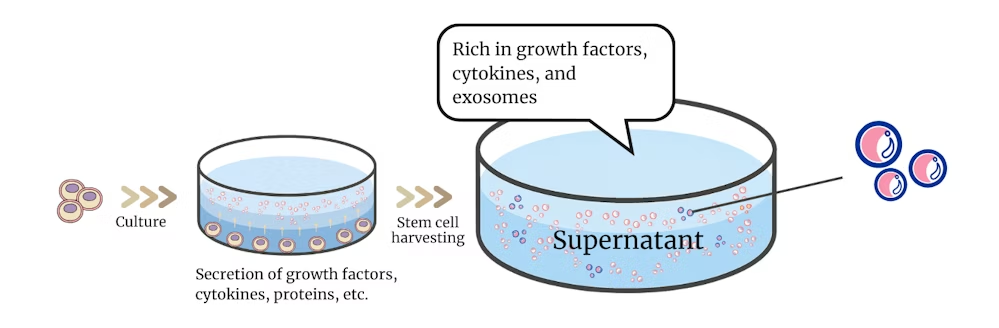
Each exosome is enclosed in a double lipid membrane. Research suggests that specific proteins and sugar chains on this membrane act as markers, allowing cells to recognize and take up the exosome. Recent studies indicate that exosomes take part in cell-to-cell communication and may influence how cells function.※1

Why Choose Exosome Therapy at Tokyo Relife Clinic?
Research shows that exosomes derived from different tissues carry distinct profiles of miRNAs, proteins, and other bioactive components.※2
Because of these compositional differences, each exosome type offers unique mechanisms of action and is suited for different therapeutic goals.
High-Purity, High-Concentration Exosomes
At Tokyo Relife Clinic, only high-purity, high-concentration exosome formulations are used. Regardless of whether the source is adipose tissue, dental pulp, or umbilical cord, each
1 mL is standardized to contain approximately
4 to 5 billion exosome particles.
Selecting the Right Exosome Source for Your Goals
Three types of exosomes are available at Tokyo Relife Clinic: adipose-derived, dental pulp-derived, and umbilical cord-derived. During the consultation, the optimal exosome source and delivery method are recommended by a physician based on individual goals and target areas. The key characteristics of each source are outlined below.
Adipose (Fat)-Derived Exosomes
Adipose-derived exosomes are reported to be rich in growth factors associated with blood vessel formation (angiogenesis) and tissue repair, such as VEGF and HGF. Widely studied and commonly used in regenerative aesthetics, this type is often selected to promote local circulation and revitalize tissues, particularly in the skin and scalp.※3
Dental Pulp-Derived Exosomes
Dental pulp-derived exosomes are harvested from stem cells found in the pulp of exfoliated baby teeth (deciduous teeth). They are reported to contain high levels of specific miRNAs linked to neuroprotection and nerve repair. Consequently, they are primarily chosen for treatment plans targeting cognitive function, nervous system health, and the management of chronic, low-grade inflammation.※4
Umbilical Cord-Derived Exosomes
Umbilical cord-derived exosomes are extracted from young umbilical cord tissue and are rich in signaling molecules involved in immune modulation and anti-inflammatory responses. These properties make them ideal for enhancing overall physical vitality, systemic rejuvenation, and recovery from persistent fatigue.※5
Administration Methods and Target Areas
The delivery method determines how exosomes are distributed and which areas of the body are targeted. In addition to intravenous (IV) infusion for systemic care, treatments available at Tokyo Relife Clinic include knee joint injections, facial and neck mesotherapy (skin boosters / water-light injections), nebulizer inhalation, and intranasal administration.
During the consultation, a physician evaluates the patient's current condition and specific goals to recommend the optimal exosome source, delivery method, and dosage.
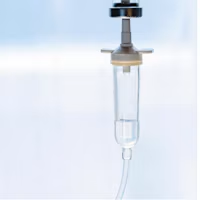
Intravenous (IV) Infusion
Available sources: Adipose, Dental Pulp, Umbilical Cord
Through IV infusion, exosomes are delivered directly into the bloodstream to circulate throughout the entire body. This method is ideal for individuals seeking systemic revitalization, enhanced energy levels, and a comprehensive approach to age-related physical decline.
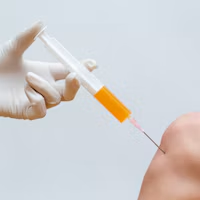
Local / Intra-Articular (Knee Joint) Injection
Available sources: Determined by the physician during consultation
The exosome formulation is injected directly into the target area of the knee joint for localized, focused care. This option may be chosen to help relieve joint discomfort, support tissue conditioning, and improve mobility affected by aging or physical wear.
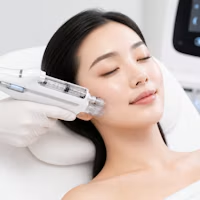
Mesotherapy / Water-Light Injection (Including Manual Injection)
Available sources: Adipose, Dental Pulp, Umbilical Cord
Using a specialized water-light injector device or precise manual micro-injections (nappage), exosomes are delivered evenly into the dermis of the face or neck. This approach is designed for individuals looking to improve skin firmness, radiance, and texture, while addressing age-related concerns such as dryness and fine lines.
Exosomes can be administered alone or combined with botulinum toxin (micro-Botox) in customized treatment plans. The optimal injection technique and formulation are selected by the physician based on individual skin condition and aesthetic goals.
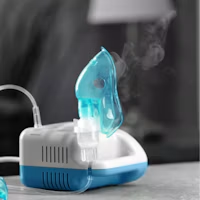
Nebulizer Inhalation
Available source: Dental Pulp
A medical nebulizer converts the dental pulp-derived exosome formulation into an ultra-fine mist to be inhaled through the mouth or nose. This method is suited for individuals looking to support respiratory wellness, airway health, and lung function.
Home nebulizer kits are also available for continuous home care under medical supervision. Home inhalation can be paired with in-clinic IV infusions or inhalation sessions, offering a convenient way to maintain ongoing wellness.
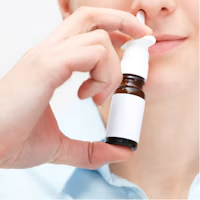
Intranasal Administration (Nasal Spray / Drops)
Available source: Dental Pulp
Dental pulp-derived exosomes are administered through the nasal cavity to target the brain and nervous system. In recent years, intranasal delivery has gained scientific attention as an effective pathway for transporting bioactive substances directly to the central nervous system (bypassing the blood-brain barrier).※6
Provided as a continuous home-care option, this method is well suited for individuals focused on maintaining cognitive clarity, neurological health, and resilience against age-related decline.
※Exosome therapy utilizing these sources and delivery methods remains an emerging field based on early-stage research; therefore, specific clinical outcomes vary by individual and cannot be guaranteed.
Human Clinical Studies on Exosome Therapy
Historically, exosomes were thought to function merely as cellular waste disposal units. Today, they are widely recognized as vital mediators of cell-to-cell communication. While human clinical trials remain limited and further large-scale studies are needed to fully establish long-term efficacy and safety, promising clinical data has begun to emerge:
Source & Delivery Method | Sample Size | Key Findings |
Exosomes + plant extracts Scalp injection (Male pattern hair loss)※7 | 24 enrolled | After 16 weeks: Significant increase in hair count (median: +9.5 hairs). |
Adipose-derived exosome gel Topical use after fractional CO2 laser※8 | 25 | Significantly greater improvement in ECCA acne scar scores vs. control side. |
Umbilical cord blood EVs IV drip + renal artery delivery (1 week later)※9 | 40 | After 12 weeks: Significant improvements in kidney function (eGFR, creatinine) and inflammatory markers. |
Bone marrow-derived EVs IV drip (COVID-19 ARDS)※10 | 102 | No difference in overall 60-day mortality; significant reduction in mortality risk and fewer days on a ventilator in specific age groups. |
Perinatal stem cells (IV) + Stem cell EVs (Inhaled) | 43 | Significant drops in key inflammatory markers (IL-6, IFN-γ, CRP). |
(Note: EVs = Extracellular Vesicles / ARDS = Acute Respiratory Distress Syndrome)
*All of the above are small-scale or exploratory clinical studies. The cell or exosome source, preparation method, dose, and delivery route differ between studies, and some studies involved combination with other treatments or ingredients. These results do not mean that exosome therapy at our clinic will produce the same outcomes, and they are not a guarantee of treatment results.
Treatment Process and Flow

Medical Questionnaire | Approx. 10 mins
A medical questionnaire is completed upon arrival to review current health status, medical history, and any allergies. A nurse will also conduct a brief interview regarding primary concerns and treatment goals.

Physician Consultation & Informed Consent | Approx. 20 mins
A physician conducts an examination to determine suitability for exosome therapy. The treatment plan, delivery method, and necessary precautions are explained in detail. Once all questions are answered and the details are fully understood, an informed consent form is signed.

Payment | Approx. 5 mins
Payment is completed prior to the procedure. Credit cards, cash, and QR code payments are accepted.
Treatment
・IV Infusion: Approx. 30 mins
・Nebulizer Inhalation: Approx. 10 mins
・Mesotherapy / Water-Light Injection (includes topical numbing time):
・Face & Neck: Approx. 90 mins (1 hr 30 mins)
・Face Only: Approx. 75 mins (1 hr 15 mins)
・Home Care (Intranasal / Home Nebulizer): The standard guideline is 2 to 3 times daily (2 to 5 pumps per use for nasal spray).
Specific usage instructions provided by the physician should be followed.

Post-Treatment Rest | Approx. 10 mins
Following an IV infusion, a brief rest period of about
10 minutes is required. Discharge takes place once medical staff confirm that the patient is feeling well.
PRICE
InfusionAdipose-Derived
InfusionBone Marrow-Derived
InfusionDental Pulp-Derived
InfusionUmbilical Cord-Derived
Local InjectionSingle Knee
Mesotherapy(Face・Neck)Exosome + Botox(Face)
Mesotherapy(Face・Neck)Exosome + Botox(Neck)
Mesotherapy(Face・Neck)Exosome + Botox(Face + Neck)
Mesotherapy(Face・Neck)Exosome(Face)
Mesotherapy(Face・Neck)Exosome(Neck)
Mesotherapy(Face・Neck)Exosome(Face + Neck)
NebulizerDental Pulp-Derived
Home CareNasal Spray
Home CareInhalation
Booster PackageNebulizer (1 session) + Home Kit (1 month)
Exosome IV Pre- and Post-Treatment Precautions
- If mild dehydration is present, intravenous access may be more difficult. Please hydrate regularly starting the day before your treatment. On the day of treatment, we ask that you drink approximately 500 mL of water about one hour before IV insertion.
- According to guidelines from the Ministry of Health, Labour and Welfare, this product is derived from human sources, and with current testing methods, the risk of unknown or as-yet-undetectable viral infections cannot be completely ruled out.
For this reason, once you have received exosome therapy, you will no longer be eligible to donate blood or organs in Japan. - Serious adverse events are rare; however, mild reactions such as fever, fatigue, or discomfort at the IV site may occur.
- You may resume normal daily activities immediately after exosome IV therapy.
However, please avoid strenuous exercise, alcohol consumption, and smoking on the day of treatment.
Who Is Not Eligible for Exosome IV Therapy
The following individuals are not suitable for exosome IV therapy:
- Under 18 years of age
- Pregnant or breastfeeding women, or those who may be pregnant
- Patients with malignant tumors*
- Those with an active viral infection
- Individuals who have received a vaccination within the past month, or plan to receive one within the next two weeks
- Patients with severe autoimmune diseases (such as systemic lupus erythematosus or rheumatoid arthritis)
- Patients with severe liver or kidney disease
- Individuals with a history of allergic reactions to components used during the cell culture process
※Other conditions deemed unsuitable by the physician
※※Patients with active malignancy or those still under follow-up after cancer treatment may not be eligible for this therapy
Note: Eligibility will be determined by the physician after consultation.
Reference
※1 Valadi H, et al. Nat Cell Biol. 2007;9(6):654-9.
※2 Baglio SR, et al. Stem Cell Res Ther. 2015;6(1):127.
※3 Eirin A, et al. Sci Rep. 2016;6:36120.
※4 Jarmalavičiūtė A, et al. Cytotherapy. 2015;17(7):932-9.
※5 Zhang B, et al. Stem Cells. 2016;34(10):2485-500.
※6 Habiba UE, et al. Front Aging Neurosci. 2026;18:1834543.
※7 Amini F, et al. Life. 2025;15(3):500.
※8 Kwon HH, et al. Acta Derm Venereol. 2020;100(18):adv00310.
※9 Nassar W, et al. Biomater Res. 2016;20:21.
※10 Lightner AL, et al. Chest. 2023;164(6):1444-1453.
※11 Zarrabi M, et al. Stem Cell Res Ther. 2023;14(1):169.
FAQ
- Q:How soon are changes felt, and how long do they last?A:
This varies with the delivery method, dose, and individual condition. Some patients report sensing changes about 2 hours after treatment, while others notice a difference only after about a week. These are subjective personal experiences and are not a guarantee of effect or duration. Both the nature and duration of changes vary between individuals.
- Q:How often should exosome therapy be received?A:
A single session is an option. For ongoing treatment, the doctor adjusts the timing of the next session based on the treatment goal, delivery method, dose, and any changes observed afterwards. There is no universal standard for frequency; it is set individually.
- Q:How does exosome therapy differ from stem cell therapy?A:
Stem cell therapy uses living cells, while exosome therapy uses the signaling molecules those cells secrete. The two differ in composition, possible mechanisms of action, delivery methods, and treatment goals.
- Q:Can multiple delivery methods be performed on the same day?A:
Yes, subject to a physician's evaluation. For example, an IV infusion for systemic care can be paired on the same day with a localized knee joint injection. Final suitability depends on the patient's overall health status and the specific procedures selected.
- Q:Is exosome therapy safe?A:
Fever, fatigue, allergic reactions, and swelling or infection at the injection site may occur after treatment. Because exosome therapy remains at the research stage, the risk of unknown infectious disease cannot be completely ruled out even after current pathogen testing. For this reason, blood and organ donation are no longer possible after receiving exosome therapy.

Medical Reviewer:Dr. Maki Nakao
Drawing on extensive clinical experience from over 30,000 cases, Dr. Nakao integrates regenerative medicine and anti-aging medicine into her clinical practice. She is committed to evidence-based advanced medical care, emphasizing meticulous patient communication and individualized treatment planning. Since 2026, she has served as Director of Tokyo Relife Clinic, providing optimized and personalized medical care to each patient.