Table of Contents
- What Is a Stroke? (Distinguishing Between Cerebral Infarction and Cerebral Hemorrhage)
- Core Causes of Stroke (Cerebral Infarction and Cerebral Hemorrhage)
- Subtle Warning Signs Before a Stroke (The FAST Self-Assessment)
- Diagnostic Methods for Early Detection of Cerebrovascular Risks
- Daily Prevention Guide for Strokes
- Regenerative Medicine: A New Option for Stroke Prevention
- Conclusion
What are the types of stroke (cerebral infarction and cerebral hemorrhage)?
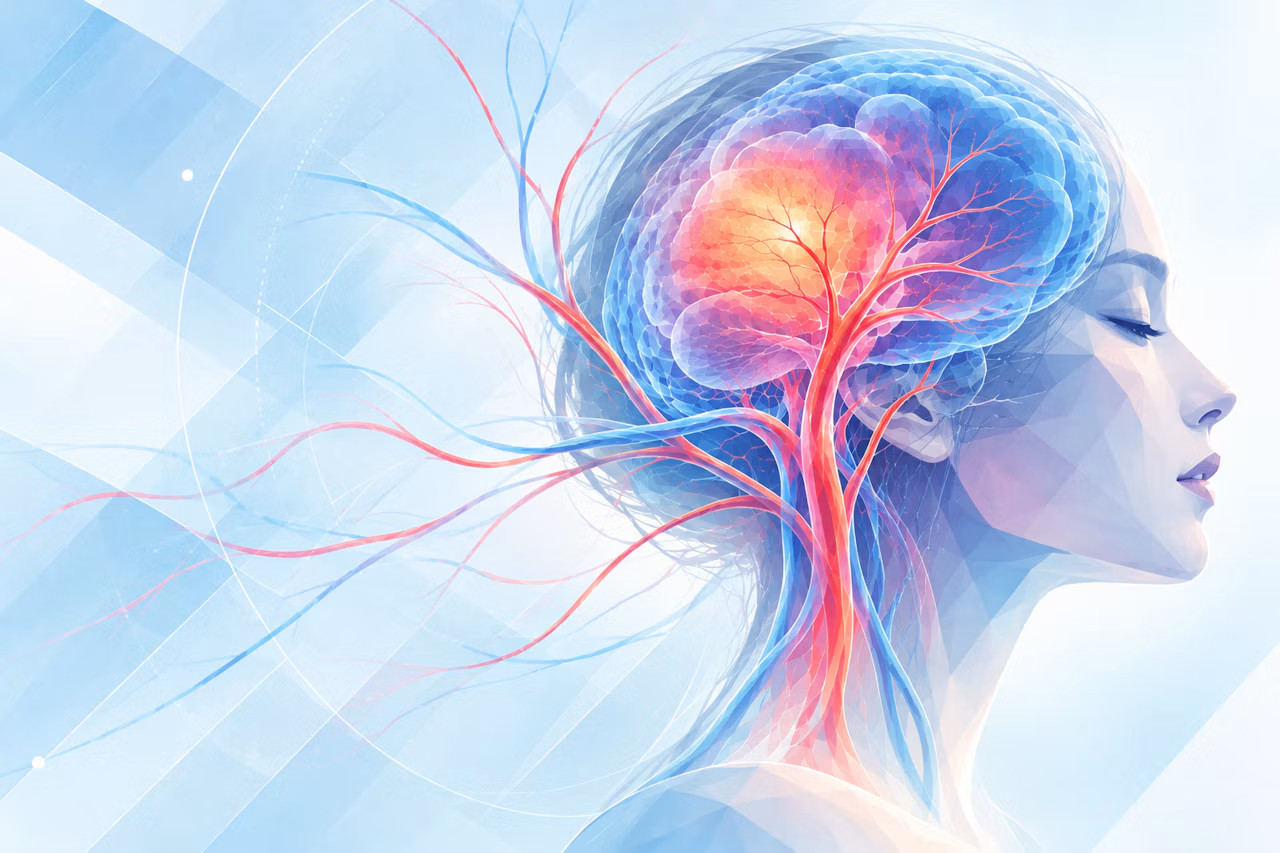
Stroke is a general term for acute cerebrovascular diseases caused by the sudden rupture or blockage of blood vessels in the brain, leading to ischemia, hypoxia, and brain damage. Because brain cells rapidly die after ischemia or hypoxia, stroke is characterized by its rapid onset, high disability rate, and high mortality rate.
Based on the nature of the vascular lesion, stroke is mainly divided into the following two types:
Cerebral infarction: Due to the formation or detachment of a thrombus, a blood vessel in the brain is blocked, preventing blood from reaching the brain tissue. This is the most common type of stroke, accounting for about 80% of all cases. In recent years, the incidence of cerebral infarction in young people has also shown an upward trend.
Cerebral hemorrhage: Due to fragile blood vessel walls or a sudden increase in blood pressure, a blood vessel in the brain ruptures and bleeds. The blood directly compresses the brain tissue and forms a hematoma, causing severe neurological damage.
Identifying which high-risk group you belong to is the first step in targeted prevention.
Core Causes of Stroke (Cerebral Infarction and Cerebral Hemorrhage)
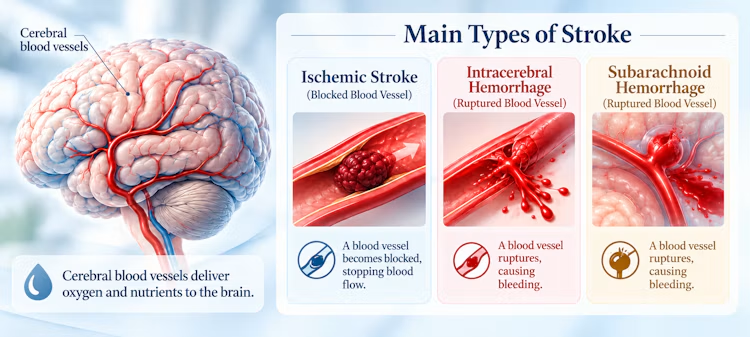
Whether it's cerebral infarction or cerebral hemorrhage, the most fundamental pathological basis is often vascular deterioration caused by arteriosclerosis or the formation of cerebral thrombosis [1, 2]. Loss of blood vessel elasticity, narrowing and brittleness, or blood clots flowing into the brain can all induce stroke.
The main factors leading to arteriosclerosis and vascular damage include:
- High blood pressure (the biggest risk factor): Long-term high-pressure blood flow impacting the blood vessel walls can damage endothelial cells, leading to arteriosclerosis and narrowing (inducing cerebral infarction), and can also thin and brittle the blood vessel walls, inducing cerebral hemorrhage.
- Hyperlipidemia and diabetes: Excessive lipids in the blood form plaques, while high blood sugar directly damages the vascular endothelium and causes chronic inflammation, accelerating thrombosis and vascular lesions.
- Smoking and chronic stress: Nicotine and stress hormones cause strong vasoconstriction and increased blood pressure, while also producing large amounts of reactive oxygen species, rapidly accelerating arteriosclerosis.
- Dehydration, insomnia, and lack of exercise: Insufficient water intake increases blood viscosity, creating an environment conducive to thrombosis. Prolonged lack of exercise reduces vascular elasticity.
- Head trauma: Severe head injuries can directly damage cerebral blood vessels, inducing traumatic brain hemorrhage.
Long-term neglect of hypertension and hyperlipidemia can lead to microvascular occlusion (lacunar infarction) or plaque rupture in large vessels. "Aging and damage to blood vessels" are direct contributors to stroke.
Subtle warning signs before a stroke (FAST self-test)
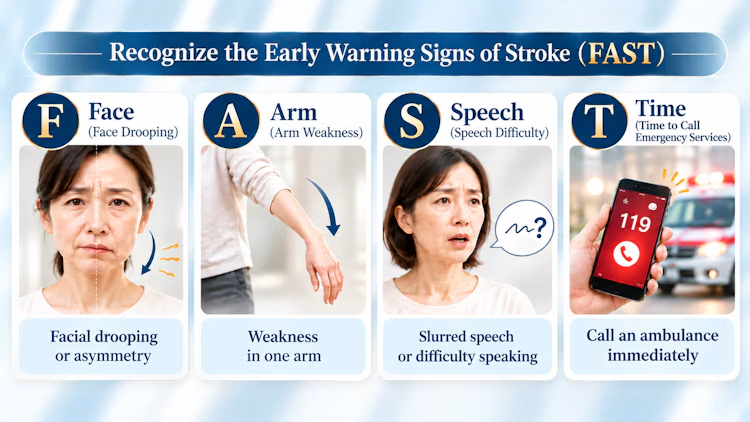
Although stroke occurs suddenly, it often sends out subtle warning signs beforehand. Timely recognition of these warning signs and prompt medical attention are crucial for saving lives and reducing sequelae.
Especially before a stroke, patients often experience "transient ischemic attack (TIA)" [1]. Symptoms usually disappear spontaneously within minutes to tens of minutes, but it is a highly dangerous warning sign that a severe stroke is about to occur [2, 3]. Do not ignore the following early symptoms self-test (FAST mnemonic) [1, 3].
- Face: Paralysis or drooping on one side of the face, inability to smile normally. Drooling from one corner of the mouth when drinking water.
- Arm: Numbness and weakness in one arm, causing it to droop involuntarily when raised.
- Speech: Slurred speech, difficulty expressing oneself, or inability to understand others' speech.
- Time: If any of the above symptoms occur, please call emergency services immediately (119 or your local emergency services) for treatment.
Early Detection of Cerebrovascular Risks and Examination Methods
Because arteriosclerosis and microthrombosis often have almost no noticeable symptoms in their early stages, it is crucial not to be overconfident and assume you will be fine. Proactively seeking screening at a medical facility before the onset of obvious symptoms is the most effective way to monitor your cerebrovascular health.
Common cerebrovascular screening procedures include [1, 3]
- Head MRI/MRA: Clearly visualizes cross-sections of brain tissue and cerebral vascular structures, accurately detecting small infarcts, vascular stenosis, or occult aneurysms.
- Carotid ultrasound: Non-invasively assesses the intima thickness, degree of sclerosis, and presence of unstable plaques in the head and other major blood vessels.
- Blood biochemistry tests: Assess blood lipids, blood glucose, coagulation function, and vascular inflammation markers.
If risk indicators are found during a physical examination, it is recommended to undergo targeted imaging examinations under the guidance of a doctor as soon as possible [1, 3].
Daily Prevention Guidelines for Stroke

The core of stroke prevention lies in delaying vascular aging (anti-atherosclerosis) and maintaining vascular health. Multiple clinical studies have shown that actively controlling risk factors such as hypertension and hyperlipidemia can significantly reduce the incidence of stroke [1, 2].
Maintaining good blood circulation and vascular elasticity is fundamental to preventing thrombosis and vascular rupture [1, 2]. The following points are recommended for daily life:
- Low-salt and balanced diet: Limit daily salt intake to less than 6g. Utilize broth and seasonings effectively. Consume plenty of deep-sea fish, soy products, and fresh vegetables rich in EPA/DHA (more than 350g daily) [1, 2].
- Active hydration: Insufficient water intake can thicken the blood, increasing the risk of stroke. Develop the habit of drinking a glass of water after waking up, before and after showering, and before bed to prevent dehydration and blood thickening.
- Regular aerobic exercise: It is recommended to engage in moderate-intensity aerobic exercise (such as brisk walking) for about 30 minutes five times a week to maintain vascular elasticity and improve blood pressure and blood sugar [1, 2].
- Quit smoking and limit alcohol consumption: Smoking causes strong vasoconstriction and accelerates arteriosclerosis. Please quit smoking completely, drink alcohol in moderation, and establish a "liver rest day" [1, 2].
The Potential of Regenerative Medicine in Preventing Stroke
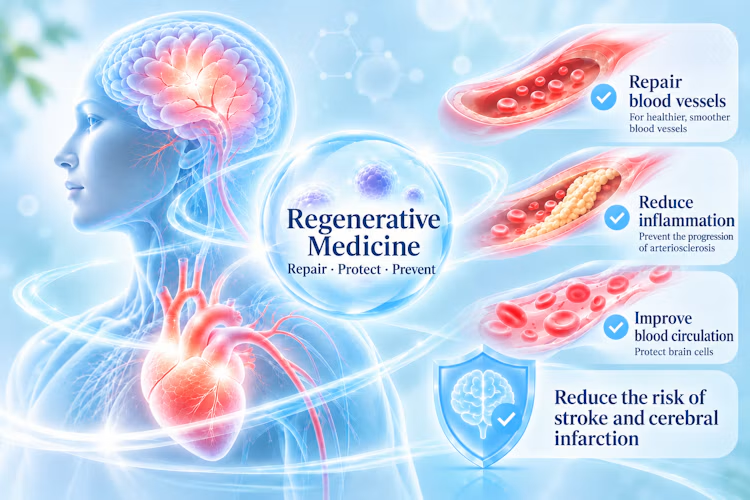
Besides lifestyle modifications, regenerative medicine (stem cell therapy and exosome therapy) has gained widespread attention in recent years as a novel preventative measure to reduce the risk of stroke.
Hypertension, hyperglycemia, and stress can invisibly and continuously damage blood vessels and brain cells. Regenerative medicine, through "repairing vascular endothelium" and "protecting brain nerve cells," holds promise for fundamentally reducing the risk of stroke [1, 2, 3, 4].
- Repairing Blood Vessels Damaged by High Blood Pressure: Persistent high blood pressure can damage vascular endothelial cells, causing blood vessels to become stiff and fragile. Growth factors and other substances secreted by stem cells have shown potential to promote angiogenesis and tissue repair. Researchers are investigating whether these effects may contribute to improved vascular function [4, 5, 6].
- Reducing Vascular Inflammation Associated with Dyslipidemia and Diabetes: Plaque formation caused by dyslipidemia and chronic inflammation associated with high blood glucose levels can accelerate atherosclerosis. Preclinical studies are investigating the potential anti-inflammatory effects of stem cells and exosomes, including their possible role in stabilizing atherosclerotic plaques [5, 6, 7].
- Protecting Brain Cells from Reduced Blood Flow: Neurotrophic factors secreted by stem cells, including brain-derived neurotrophic factor (BDNF), may support neuronal protection and repair. However, further clinical research is needed to determine whether these approaches can prevent the progression of silent cerebral infarctions or reduce the risk of future neurological complications [5, 6, 7].
Summary:
Stroke may seem sudden, but it often involves long-term asymptomatic arteriosclerosis and vascular damage. Mastering the FAST self-test mnemonic, having regular cerebrovascular examinations, and maintaining a healthy lifestyle are the cornerstones of stroke prevention.
For individuals with existing vascular damage or chronic inflammation, combining stem cell and exosome therapy, which promotes angiogenesis and has anti-inflammatory effects, provides a new proactive defense strategy for protecting cerebrovascular health. To protect your and your family's brain and vascular health, please consider taking appropriate preventative measures as early as possible.
References
- apanese Stroke Guidelines (2025 Revision). Japan Stroke Society.
- Bushnell C, et al. Stroke. 2024;55(12):e344-e424.
- Amin HP, et al. Stroke. 2023;54:e109-e121.
- Mesenchymal stem cell therapy in ischemic stroke trials: 2024;27:301-306.
- Pratiwi DIN, et al. Tissue Cell. 2024;87:102320.
- Song J, et al. J Cell Commun Signal. 2024.
- Xie Y, et al. Exp Ther Med. 2024;28(1):287.