Causes and Early Symptoms of Diabetes
Diabetes is a condition characterized by chronically elevated blood glucose (blood sugar) levels. Normally, the hormone "insulin," secreted by the pancreas, enables cells to absorb glucose. When this mechanism breaks down, diabetes develops.
Causes of Diabetes
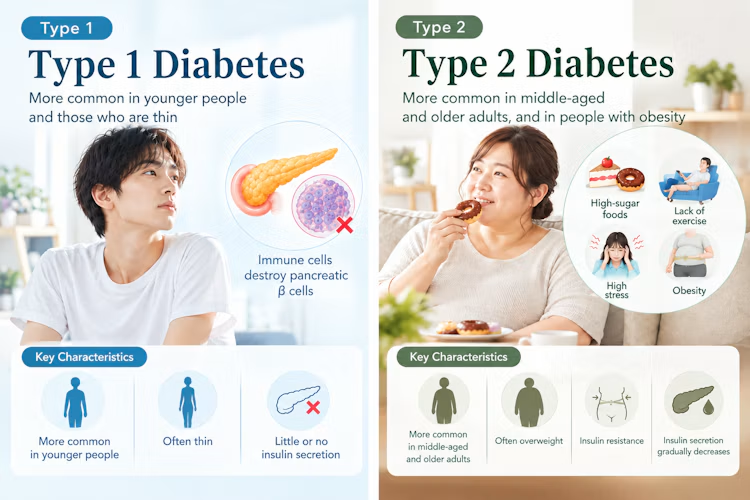
- Type 1 Diabetes: Occurs when an autoimmune dysfunction destroys insulin-producing cells (primarily diagnosed in younger individuals).
- Type 2 Diabetes: Triggered by factors such as overeating, lack of exercise, obesity, and stress (accounting for over 90% of cases in Japan).
Easily Missed Early Symptoms (Silent Signs)
- Excessive thirst and abnormally high fluid intake
- Increased frequency and volume of urination (frequent nighttime urination)
- Unexplained weight loss despite eating normally
- Constant fatigue and general sluggishness
The Three Major Complications
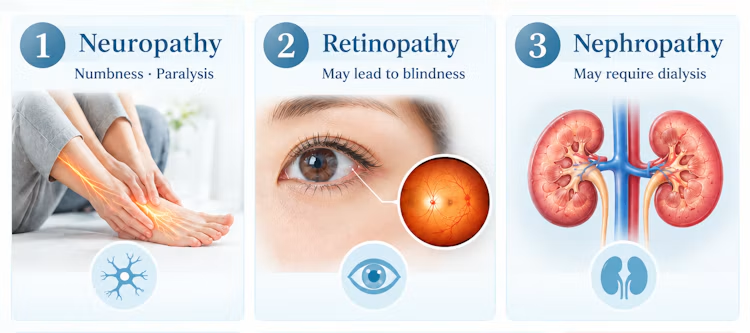
Prolonged high blood sugar damages blood vessels, leading to the "three major complications": neuropathy (numbness and paralysis), retinopathy (which can cause blindness in severe cases), and nephropathy (potentially requiring artificial dialysis). It also significantly increases the risk of myocardial infarction and stroke.
Progression Timeline: Generally, sustained high blood sugar leads to complications in the following order: neuropathy (~5 years), retinopathy (~10 years), and nephropathy (~10 to 15 years).
Lack of Subjective Symptoms: Retinopathy and nephropathy in particular often show no noticeable symptoms until they have reached an advanced stage. Ignoring the condition because "there is no pain" can lead to irreversible damage, such as near-blindness or imminent kidney failure. Regular eye exams and urine tests are essential even in the absence of symptoms.
Can Diabetes Be Cured? The Difference Between "Cure" and "Remission"
With current medical science, completely restoring a damaged pancreas to its original healthy state (a "cure") remains extremely difficult. However, through early intervention and lifestyle modifications, patients can achieve a state of "remission," where normal blood sugar levels are maintained without the need for medication.
Why Don't Doctors Use the Word "Cure"?
Diabetes (especially Type 2) is rooted in reduced pancreatic insulin secretion capacity and underlying genetic predispositions. Once the pancreas loses a portion of its capacity to secrete insulin, restoring it 100% to its original state is virtually impossible. Therefore, medical professionals refrain from stating that the root cause has completely vanished (i.e., a "cure").
What Does "Remission" Mean in Diabetes?
Remission is defined as maintaining an HbA1c level below 6.5% for at least 3 months without the use of glucose-lowering medications [1].
- Maintaining normal blood sugar levels without drug dependence
- Living a symptom-free life comparable to that of a healthy individual
High-Profile Diabetes Medication: Mounjaro
In recent years, the weight-loss side effects of modern diabetes medications have drawn significant attention. The prime representative of this new class is the injectable drug Mounjaro (generic name: tirzepatide) [2].
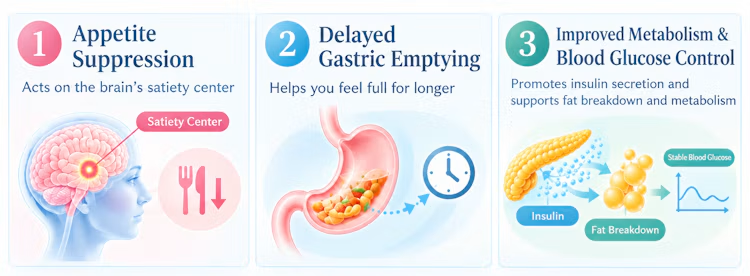
How Mounjaro Promotes Weight Loss
Mounjaro is the world's first long-acting dual GIP/GLP-1 receptor agonist, simultaneously targeting two intestinal hormone receptors: GIP and GLP-1.
- Potent Appetite Suppression: Acts directly on the brain's satiety centers to naturally suppress hunger.
- Delayed Gastric Emptying: Slows down the rate at which food leaves the stomach, prolonging the sensation of fullness.
- Metabolic Improvement & Blood Sugar Stability: Enhances glucose-dependent insulin secretion to prevent postmeal blood sugar spikes while supporting fat breakdown and metabolism.
Our clinic offers treatments involving Mounjaro. For further details, please visit our dedicated Diabetes Medications page.
Root-Cause Treatment: Advancing to Regenerative Medicine
Regenerative medicine holds the potential to revolutionize diabetes care by moving beyond traditional symptom-management therapies.
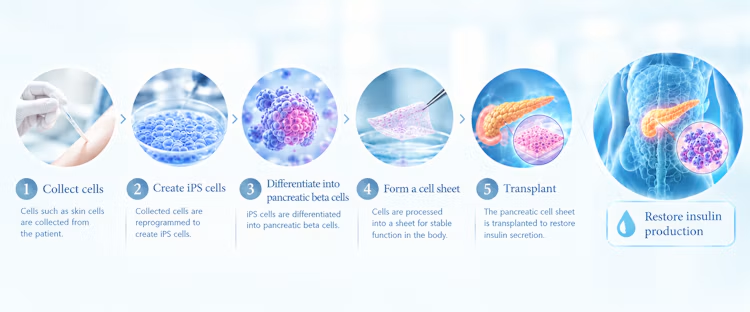
iPS Cell Therapy
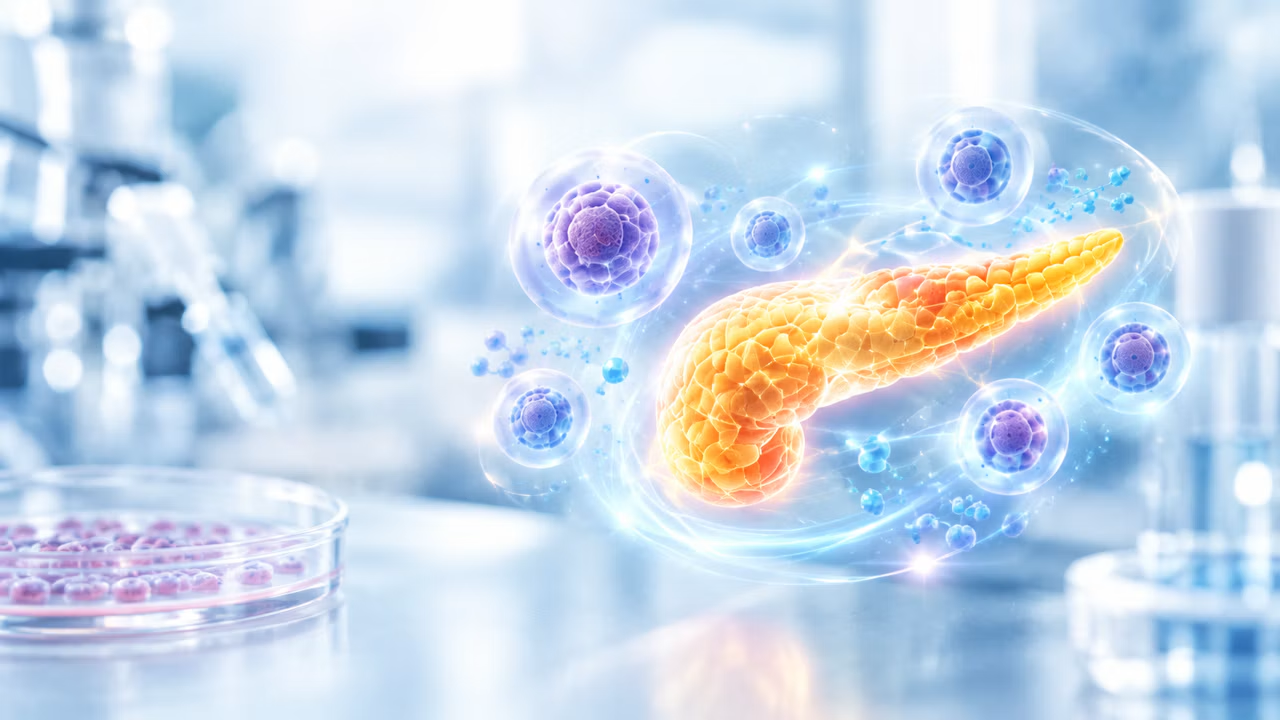
iPS cell-based diabetes treatment is a revolutionary approach in which functional pancreatic beta-cell sheets are generated from iPS cells in a laboratory and transplanted into the patient to restore the body's natural insulin secretion [3].
Unlike traditional organ transplants, iPS cells are not constrained by donor shortages and can be mass-produced consistently in vitro. Advanced techniques, such as immune-isolating encapsulation and cell sheets, are actively being refined to prevent immune rejection upon transplantation.
Currently, global research and clinical trials are primarily focused on Type 1 diabetes (where insulin production is completely lost), offering hope for a paradigm shift from symptomatic control to "cure or remission."
Challenges of iPS Cell Therapy
Regrettably, iPS cell therapy for diabetes remains in the clinical research stage and is not yet widely available to the general public.
Note: While Tokyo ReLife Clinic actively contributes to research initiatives, we do not perform iPS cell therapies for diabetes. We exclusively offer autologous adipose-derived stem cell therapy.
While iPS-based treatments for Type 1 diabetes hold immense promise, major hurdles remain before commercialization and widespread adoption can occur:
The primary challenge is exorbitant cost. Manufacturing, culturing, and rigorously testing high-quality iPS cells to ensure safety against tumorigenesis currently costs millions to tens of millions of yen. Compared to conventional insulin therapy, initial implementation costs are extremely high, making it inaccessible for average patients until insurance coverage and scalable production are realized.
Additionally, the dual immune obstacle in Type 1 diabetes poses a challenge. If autologous cells are used, the patient's underlying autoimmune response may still attack the newly transplanted beta cells. If donor cells are used, lifelong immunosuppressive drug therapy is required to prevent graft rejection. Furthermore, long-term functional stability and tumorigenesis risks associated with undifferentiated cells require further clinical verification.
Until automated mass culturing lowers costs and protective immune-encapsulation devices are fully perfected, iPS therapy will require more time before becoming a standardized treatment option.
Adipose-Derived Stem Cell (ADSC) Approach
While iPS cell therapy faces high financial and regulatory barriers to widespread clinical practice, Autologous Adipose-Derived Stem Cell (ADSC) therapy is already being clinically applied and gaining significant clinical focus.
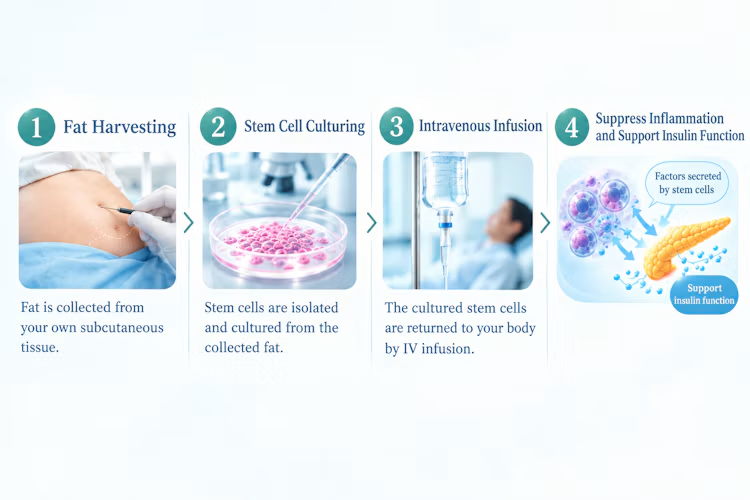
- Mechanism: Subcutaneous fat is harvested from the patient, and stem cells are isolated, cultured, expanded, and reinfused into the body. Anti-inflammatory factors (cytokines, exosomes, etc.) secreted by these stem cells help suppress systemic chronic inflammation, improve insulin resistance, and accelerate tissue repair [4].
- Current Research & Applications: Because the therapy utilizes the patient's own cells, ethical barriers are minimal, and the risk of immune rejection or tumorigenesis is extremely low. Clinical studies and practical applications are actively underway for restoring beta-cell function in Type 2 diabetes and alleviating microvascular complications such as neuropathy.
Tokyo ReLife Clinic provides autologous adipose-derived stem cell therapy for diabetes in full compliance with Japan's Act on the Safety of Regenerative Medicine (Plan Provision Number: PB3240266).
Comparison: Stem Cell Therapy vs. iPS Cell Therapy
Feature | iPS Cell Therapy | Adipose-Derived Stem Cell (ADSC) Therapy |
Cell Nature | Pluripotent (Can differentiate into any cell/organ type) | Multipotent / Tissue-specific (Limited to fat, bone, cartilage, etc.) |
Target Audience | Severe Type 1 Diabetes (Pancreatic islet cell transplantation) | Type 2 Diabetes (Improving insulin resistance, reducing inflammation) |
Primary Mechanism | Functions in the body as new organ/tissue cells | Secretes cytokines and growth factors to promote anti-inflammation, angiogenesis, and tissue repair |
Cost Comparison | Multi-million to tens of millions of JPY (Currently in research/trials; future commercial costs expected to remain high) | Approx. ¥21 Million – ¥43 Million JPY per session (Self-pay/Private sector) (Cultured using established clinical infrastructure) |
Safety & Risk | Requires strict management against tumorigenesis; immune rejection risk with donor cells | Uses patient's own cells; rejection risk is extremely low. (Prior cancer history requires medical evaluation) |
Conclusion
Diabetes is a condition that can trigger severe health complications if blood sugar remains uncontrolled over time. While modern medications like Mounjaro have expanded our options for glucose management, pharmaceutical therapies remain largely symptomatic interventions that do not cure the underlying condition.
Stem cell therapy (regenerative medicine) serves as a key strategy to break through these limitations. By leveraging adipose-derived stem cells, therapies aim to reduce systemic inflammation, encourage pancreatic functional recovery, and guide patients toward medication independence and long-term remission. If you are seeking options beyond conventional medical care, we welcome you to consult with us regarding stem cell therapy.