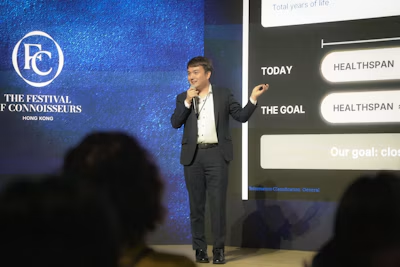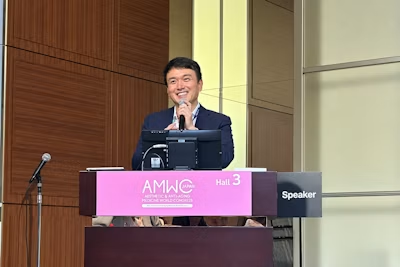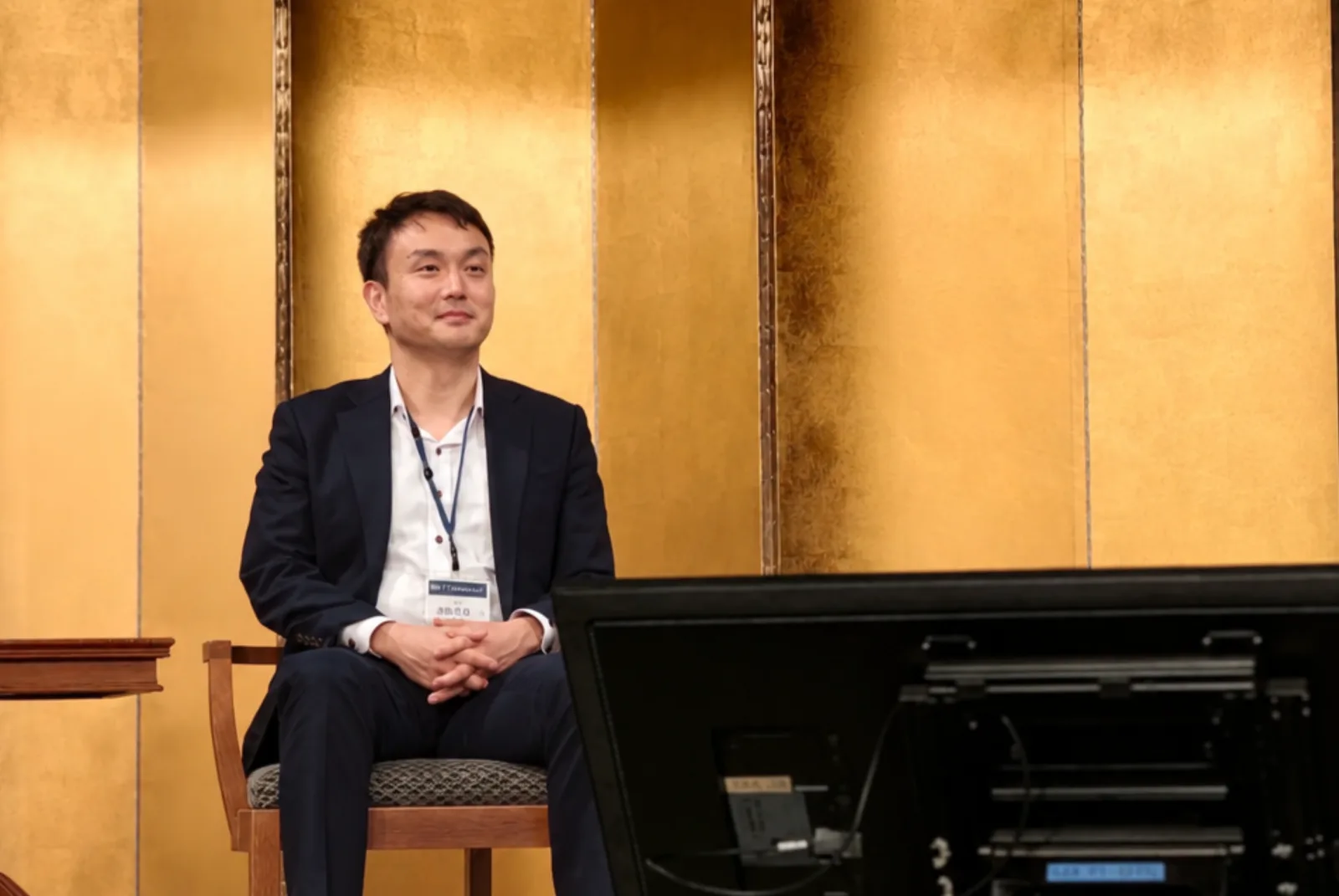
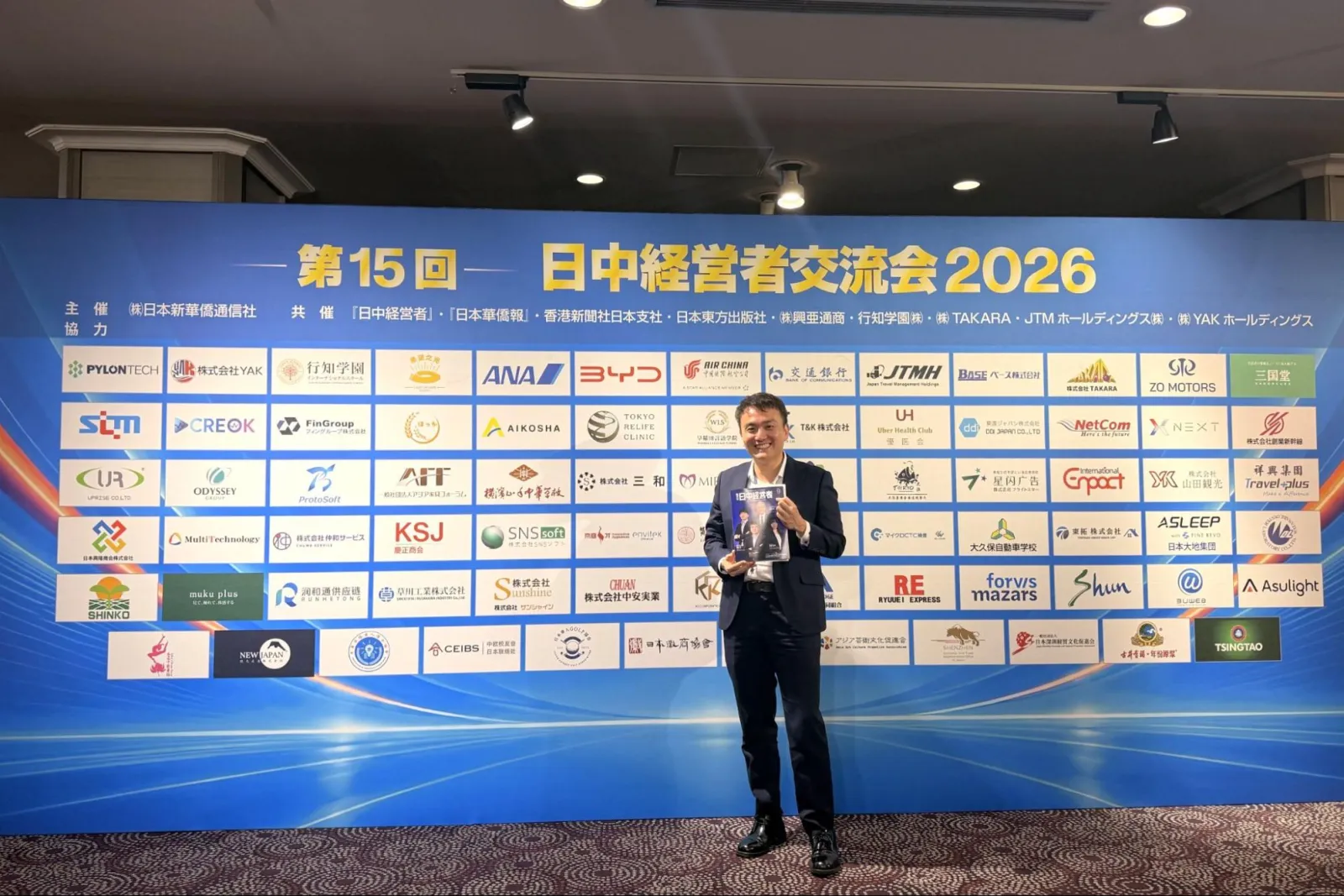
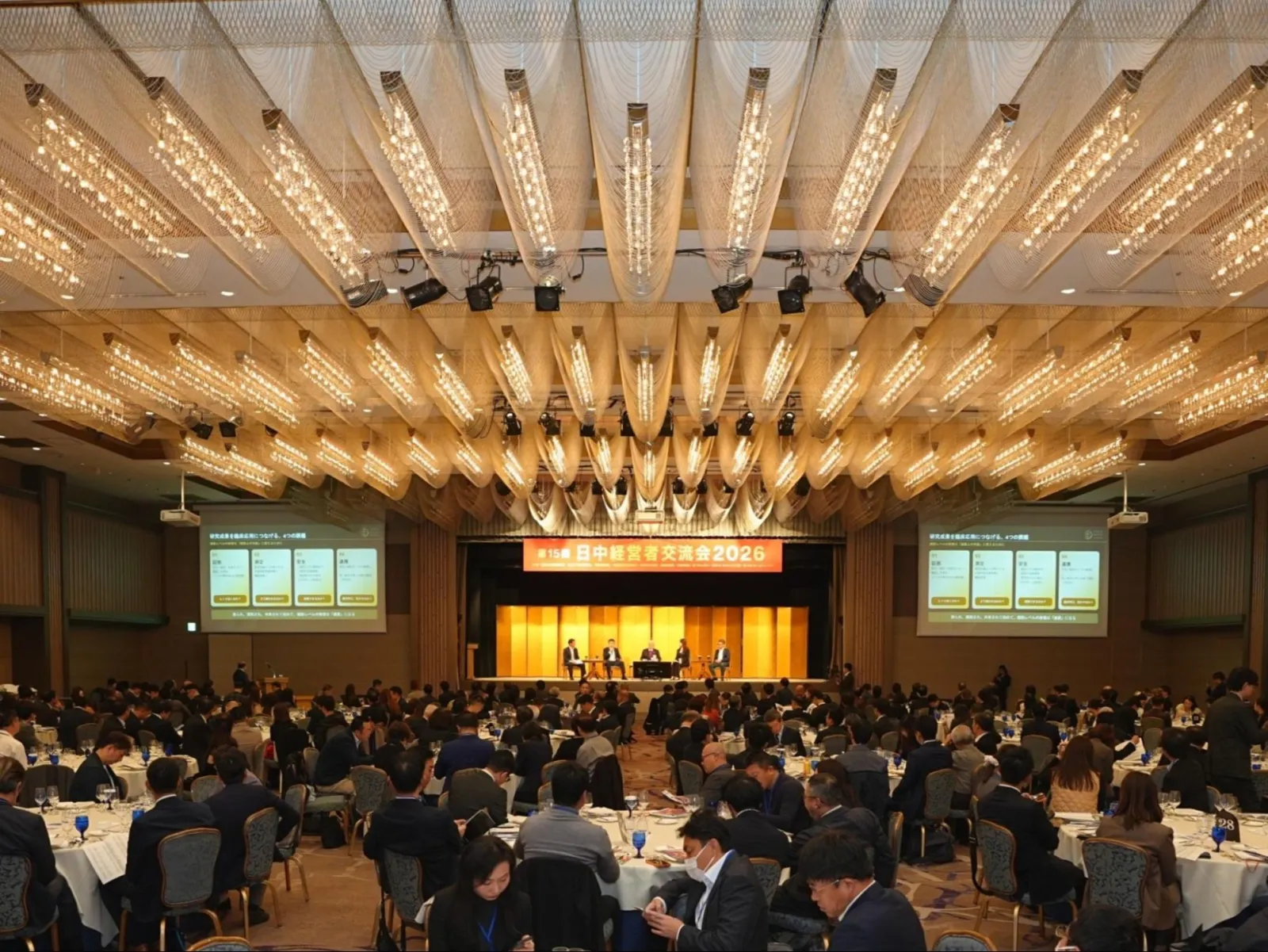
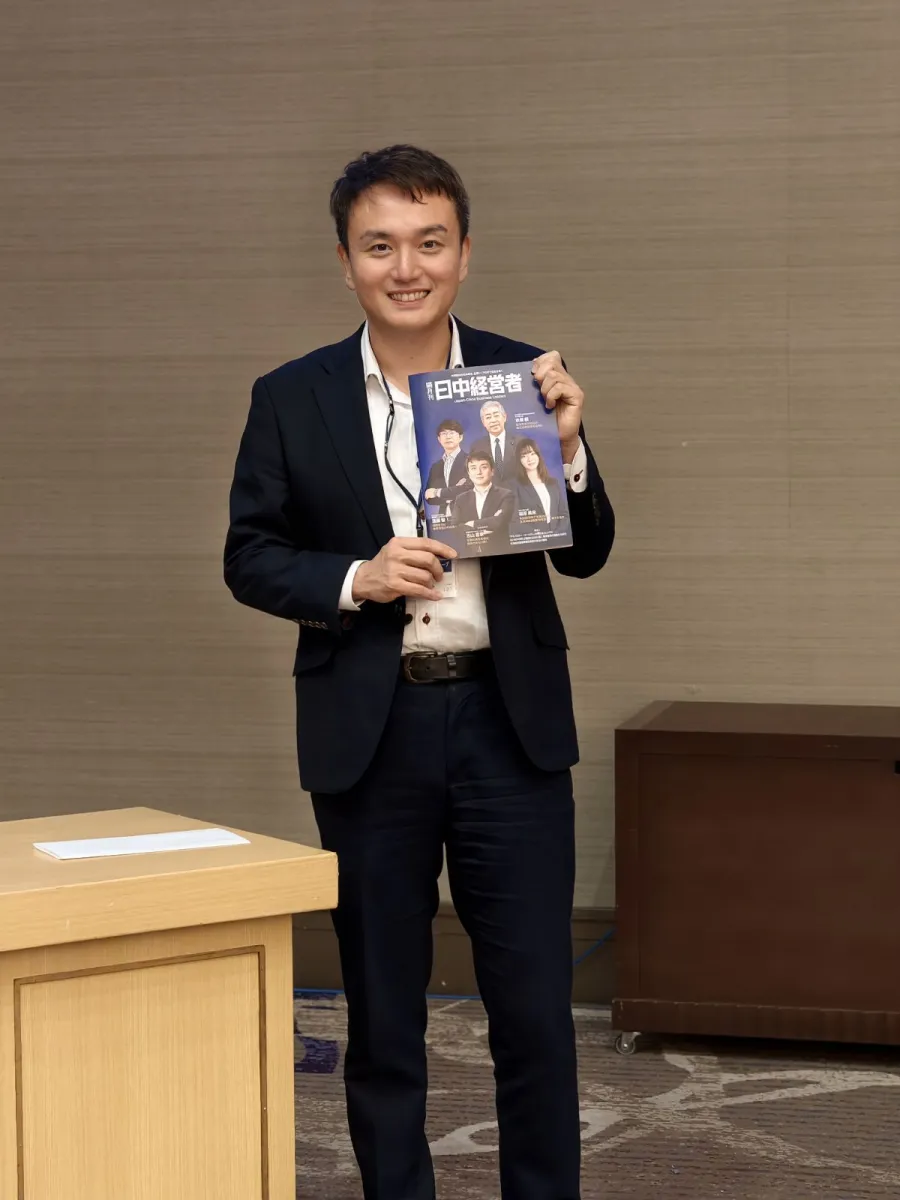
On November 25, 2026, Yoshiaki Furuyama, CEO of Tokyo Relife Clinic, spoke at the "15th China-Japan Entrepreneurs Exchange Conference 2026." This article summarizes the core vision Mr. Furuyama shared in his speech: combining longevity medicine (extending healthspan) with regenerative medicine.
Japan's Challenge as a Longevity Nation: Why Healthspan Has Not Kept Up
Japan is known around the world as a country of long life. However, according to Mr. Furuyama, the core challenge Japan faces today is not "how long people live," but that healthspan — the number of years people live in good health — has not grown along with lifespan.
Spending one's later years in poor health is one of the main reasons why many people feel they "do not want to live a long life." According to the 100-Year Life Survey (6-Country Survey) ※1, only 26.3% of respondents in Japan answered "I want to live to 100" — the lowest of the six countries surveyed. In contrast, the figure was 82.2% in China, 69.4% in Denmark, and 69.1% in the United States, showing a clear gap between Japan and the other countries (58.8%–82.2%).
Based on these figures, Mr. Furuyama suggested that while Japan is an "advanced nation in facing challenges," it also has the potential to become an "advanced nation in creating solutions" — finding new ways to extend healthspan.
The 2014 Law and the "Japan Model"
In 2014, Japan officially enforced the Act on the Safety of Regenerative Medicine (passed into law in 2013). This created a legal framework that allows private clinics to apply regenerative medicine under national rules. Mr. Furuyama expressed his hope to follow these regulations strictly, put them into practice on the clinical front lines, and share these results with the world as the "Japan Model" — a way of extending healthspan that can contribute to people everywhere.
Selected Among the Global Top 10: The XPRIZE Challenge
Tokyo Relife Clinic joined the XPRIZE Healthspan international competition as a member of Goda Lab. Out of more than 600 teams, the team was selected as a "Milestone 2 Winning Team."
The goal set by this competition is to restore muscle, cognitive, and immune functions by at least 10 years, with an ideal target of 20 years. (Note: This is a goal set by the competition and does not represent the actual effects of the treatments provided by our clinic.) Going forward, the clinic aims to make full use of Japan's legal system, promote the standardization of regenerative medicine, and continue its international expansion in line with the regulations of each country.
XPRIZE Healthspan Special Page
Building an Integrated "Research × Clinical Practice × Cell Culture" System in Ginza
Since opening, Tokyo Relife Clinic has carried out joint research with multiple universities in Japan and overseas, working to build a medical system that integrates research, clinical practice, and cell culture processing.
The clinic operates clinical and research spaces on three floors of the Toraya Building in Ginza, Tokyo, and is equipped with a Cell Processing Center (CPC) within the same facility. By closely linking scientific research with clinical practice, and strengthening coordination with cell culture processing, the clinic continues to accumulate scientific evidence and clinical experience. Today, inquiries are received not only from within Japan, but from all over the world.
Conclusion
How to extend healthspan is a vital challenge for the future of healthcare in Japan. Tokyo Relife Clinic will continue to connect clinical practice closely with scientific research, exploring and delivering its own answers to this challenge from Ginza.
Note: This article is a summary of the concepts and insights presented in the speech. The figures and plans stated here reflect information at the time of the speech and do not constitute a guarantee of the therapeutic effects or outcomes of our clinic. For any consultation regarding regenerative medicine, please be sure to undergo an in-person consultation and evaluation by a physician.
References
※1 Hakuhodo Institute of Life and Living 100-Year Life Research Lab, "100-Year Life Survey: Fixed-Point Survey of 6 Countries" (Released March 19, 2025; survey conducted in February 2025. The Japanese sample consisted of 2,400 men and women aged 20 to 70).