CELL PROCESSING
CENTER
Cell Processing Center (CPC)
Culturing Your Own Cells
in Our Ginza Clinic
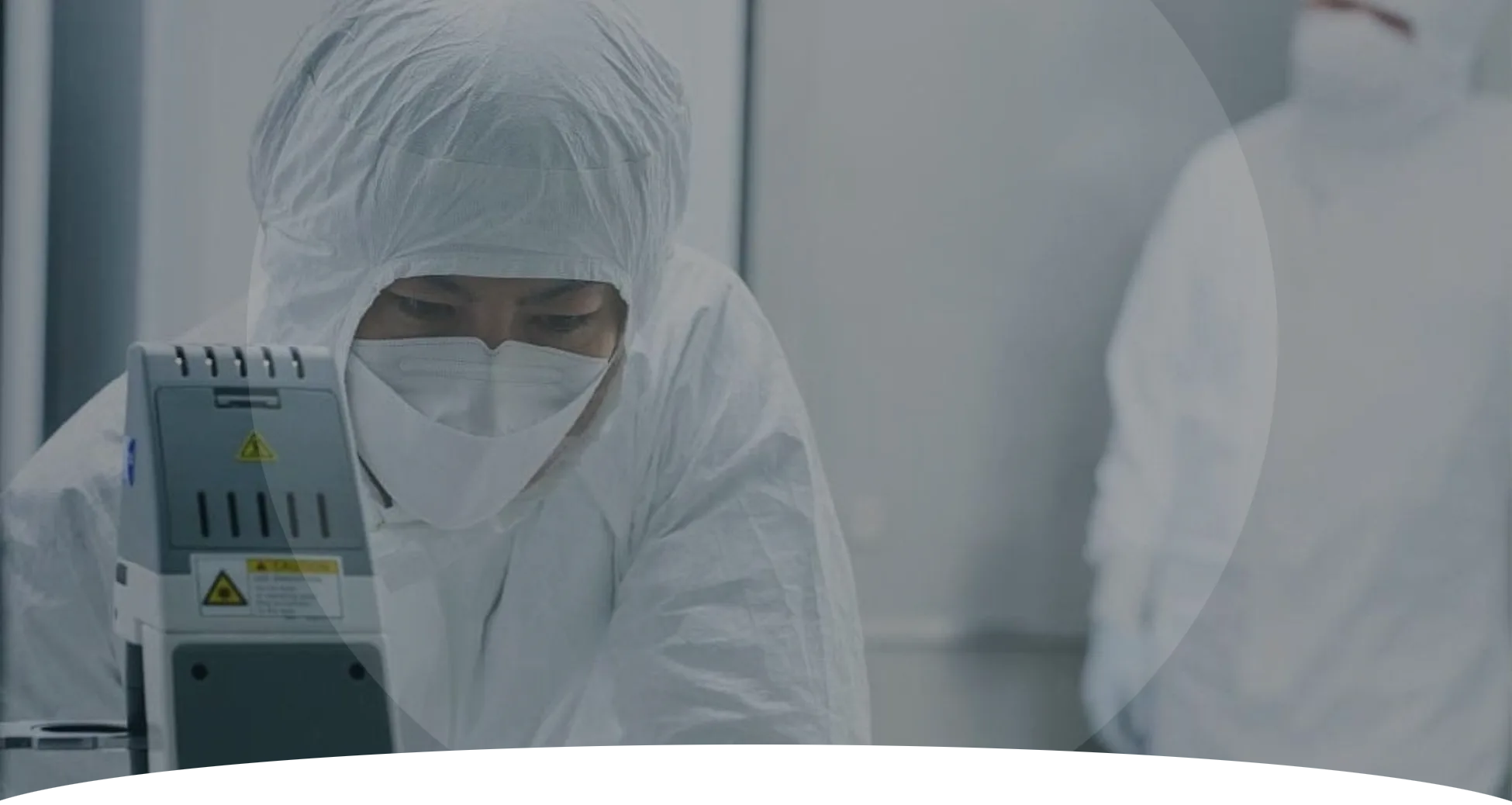
Tokyo Relife Clinic houses both a medical clinic and an on-site Cell Processing Center (CPC) for culturing a patient’s own cells within the same building in Ginza. From cell collection and culturing to quality testing and administration, every step is managed within a single organization. Throughout the treatment, cell conditions are closely shared between physicians and culture staff.
FACILITY
Facility Overview
01
Cell Processing Center Located Within the Clinic
Because the on-site CPC is located within the clinic, collected tissue can be transferred quickly to the culturing process, and schedules are flexibly adjusted to match the planned administration date. During culturing, cell conditions are regularly monitored by both the attending physician and the culture staff.
- Location
- 6F Toraya Ginza Building, 7-8-17 Ginza, Chuo-ku, Tokyo, Japan
- Facility Structure
- Clinic: Medical consultation, cell collection, and administration
Tokyo Relife Laboratory: Cell culturing, processing, and quality testing
Research partnerships: Joint research with universities and institutions in Japan and overseas
02
Official Acceptance Under Japanese Law and Facility Number
In Japan, regenerative medicine is strictly regulated under the Act on the Safety of Regenerative Medicine. Facilities that manufacture cells for treatment (specified processed cell products) must meet legal standards for facility structure, equipment, manufacturing management, and quality control. In-house CPCs are required to file a notification with the Regional Bureau of Health and Welfare, and a facility number is issued upon its official acceptance.
The CPC at Tokyo Relife Clinic has been officially accepted by the Kanto-Shinetsu Regional Bureau of Health and Welfare. Furthermore, all regenerative medicine treatment plans at the clinic are reviewed and approved by a government-certified committee and accepted by the Minister of Health, Labour and Welfare.
Facility Number
FC3240121
Notification Accepted: November 2024
Regenerative Medicine Provision Plan Numbers
- PB3240263Treatment for chronic pain using autologous adipose-derived stem cells
- PB3240269Treatment for frailty (sarcopenia) using autologous adipose-derived stem cells
- PB3240268Treatment for liver disorder using autologous adipose-derived stem cells
- PB3240267Treatment for menopausal (men & women) symptoms using autologous adipose-derived stem cells
- PB3240266Treatment for diabetes using autologous adipose-derived stem cells
- PB3240265Treatment for cerebrovascular disorder using autologous adipose-derived stem cells
- PB3240294Treatment for hair tissue using autologous adipose-derived stem cells
- PB3250002Treatment for erectile dysfunction (ED) using autologous adipose-derived stem cells
- PB3250003Treatment for osteoarthritis using autologous adipose-derived stem cells
- PB3260104Treatment for subcutaneous tissue defect by administration of autologous adipose-derived stem cells
- PB3240295Skin regeneration therapy using autologous cultured fibroblasts
03
Cleanroom Standards
The CPC is a specialized cleanroom where airborne particles and microorganisms are strictly controlled. Purified air is supplied through HEPA (High-Efficiency Particulate Air) filters, while air pressure differentials between rooms prevent outside contamination from entering.
Procedures involving the direct handling of cells are performed inside a biological safety cabinet, which maintains the highest cleanliness level in the facility. Classified as Grade A (equivalent to ISO Class 5, or Class 100 under the former U.S. standard), this area is maintained at no more than 3,520 particles of 0.5 μm or larger per cubic meter of air.

| Area | Cleanliness Level During Operation | Main Use |
|---|---|---|
| Inside the biological safety cabinet | Grade A / ISO Class 5 | Aseptic procedures such as cell isolation, culture, passaging, and harvesting |
| Cell preparation room and gowning room | Grade B / ISO Class 7 | Cell culture work and culture in incubators |
| Undressing room and preparation room | Grade C / ISO Class 8 | Changing into cleanroom garments and bringing in materials |
| Anteroom | Grade D | Material preparation and record keeping |
04
Main Equipment
- Biological safety cabinet, Class II
- Workbench for aseptic procedures
- CO₂ incubator
- Maintains a stable temperature and CO₂ concentration for cell culture
- Phase-contrast microscope
- Used to observe cell shape and growth during culture
- Cell counter
- Measures cell count and viability
- Pass box
- Allows materials and specimens to be transferred without staff moving between rooms
- Liquid nitrogen storage tank and ultra-low temperature freezer
- Used for frozen cell storage
- Temperature monitoring system
- Continuously records the temperature of incubators and storage units, and issues alerts when abnormalities are detected
- Environmental monitoring
- Regular measurement of airborne particles, surface microorganisms, and differential pressure


05
Safety and Hygiene Management
Cell safety is supported not only by equipment, but also by daily operational management. At the CPC, the following control measures are enforced:
- Access Control
- Entry is restricted to authorized staff. Dedicated cleanroom garments must be worn before entering the CPC.
- Prevention of Mix-Ups and Cross-Contamination
- Only one patient’s cells are handled per work area at any given time. Every sample is strictly tracked using dedicated labels and records.
- Sanitation and Environmental Testing
- Cleaning, disinfection, and environmental monitoring are conducted at scheduled intervals, with all results systematically logged.
- Standard Operating Procedures (SOPs) and Traceability
- All tasks are performed in accordance with written SOPs. Detailed logs are maintained to record what was done, when, and by whom.
- Staff Training
- Personnel undergo regular training and competency assessments. Procedures are performed exclusively by qualified staff.
- Quality Review
- Manufacturing and quality management processes are regularly reviewed to drive continuous improvement in both procedures and equipment.
06
Quality Testing and Release Decision
Cultured cells are tested before administration. Only cells that meet all defined criteria are used for treatment.
| Test Item | Purpose / What Is Checked | Timing |
|---|---|---|
| Sterility Test | Confirms the absence of bacteria and fungi | Before release |
| Mycoplasma Test | Confirms the absence of mycoplasma | Before release |
| Endotoxin Test | Confirms that fever-inducing substances are below required limits | Before release |
| Cell Count and Viability | Confirms that the required number of viable cells has been achieved | Before release |
| Morphological Observation | Checks for any abnormalities in cell shape or growth | During culturing and before release |
If the cultured cells do not meet the required criteria, they will not be administered. In such cases, the attending physician will explain the reason and discuss the next steps.
07
Cells Handled and Culture Method
- Cells Handled
- Adipose-derived mesenchymal stem cells (isolated from the patient’s own fat tissue)
Fibroblasts
NK (Natural Killer) cells - Administration
- Frozen cells are thawed and washed prior to administration.

08
Research and Data Accumulation
Tokyo Relife Clinic collaborates with universities and research institutions in Japan and overseas to accumulate data on the characteristics of cultured cells. Research findings are applied to improve culturing processes and quality control after all required procedures, including ethical reviews, have been completed.
09
Cell Culture Staff
Staff trained in cell culture observe the condition of each patient’s cells in cooperation with physicians.
Facility Manager1
Manufacturing Control Department
- Manufacturing Control Manager1
- Members4
Quality Control Department
- Quality Control Manager1
- Members3
Research Department
- Head of Research Department1
- Senior Researcher1
- Members2
Quality Statement for Cell Processing Facility
Cells entrusted to us come directly from our patients’ bodies—each one is truly precious.
We handle every cell with the utmost care, ensuring the highest standards of safety,
quality, and accountability. This is the core mission of Tokyo Relife CPC.
01
Integrity
One chain of responsibility, from collection to administration
We manage everything—from collection to treatment—in our own facility, taking full and unbroken responsibility for your cells.
02
Compliance
Laws and standards as the foundation of everything
We culture all cells in our officially registered facility, strictly following Japan's Act on the Safety of Regenerative Medicine.
03
Transparency
Every step recorded and explained
We record every single step of the process and share the progress of your cells with you.
04
Quality
Only verified cells are used for treatment
We conduct strict quality testing before every treatment, and all results are clearly explained to you before proceeding.
05
Standards
Cells below standard are never used
We never use cells that fail our quality standards. If this happens, your doctor will clearly explain why and discuss your options.
06
Evolution
Learning from data, improving continuously
In partnership with research institutions, we analyze cell culture data to continuously improve our methods and patient care.
07
Craftsmanship
Developing people, carrying skills forward
Through ongoing training and regular assessments, we constantly refine our team's skills and dedication to medicine.
Facility Manager of Cell Processing FacilityDirector of Tokyo Relife Clinic: